






Abuja, the capital city of Nigeria, is more than just an administrative center. It plays a crucial role in the political and economic landscape of Nigeria and the African continent. This article examines Abuja's significance as a hub for political and economic activities, highlighting its influence and contributions.
Political Significance
As the capital of Nigeria, Abuja is the seat of the Federal Government and hosts key national institutions. The Presidential Complex,
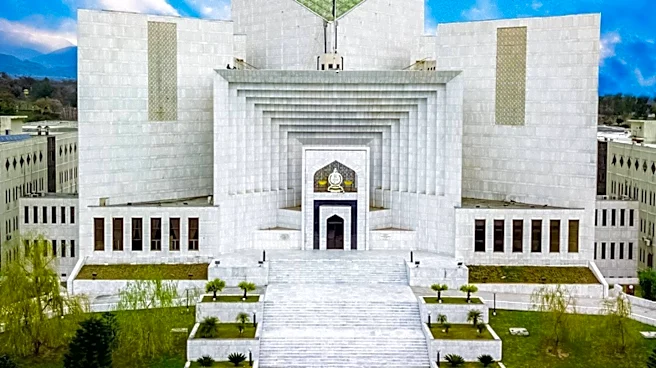
National Assembly, and Supreme Court are all located in the city, making it the epicenter of Nigeria's political activities. This concentration of political power attracts diplomats, politicians, and government officials from across the country and the world.
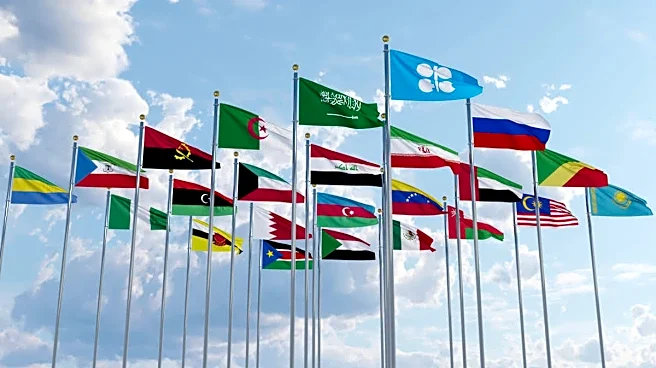
Abuja's political significance extends beyond Nigeria's borders. It is the headquarters of the Economic Community of West African States (ECOWAS) and the regional headquarters of the Organization of the Petroleum Exporting Countries (OPEC). These organizations play vital roles in regional and global affairs, further cementing Abuja's status as a key player on the international stage.
Economic Influence
Abuja's role as a political center has also spurred economic growth. The city's strategic location and status as the capital have attracted businesses and investors, leading to the development of a vibrant economy. The Central Business District, designed by Japanese architect Kenzo Tange, is a hub for commercial activities, housing numerous businesses and financial institutions.
The city's rapid growth has also contributed to its economic influence. With a population that continues to expand, Abuja offers a large market for goods and services. This growth has led to increased demand for housing, infrastructure, and services, creating opportunities for investment and development.
Challenges and Future Prospects
Despite its successes, Abuja faces challenges that come with rapid growth. The city's infrastructure must keep pace with the increasing population to ensure sustainable development. The government has been working to address these challenges by implementing policies that promote urban planning and development.
Looking ahead, Abuja's future prospects remain bright. Its strategic location, political significance, and economic potential make it a city of opportunities. As Abuja continues to grow and evolve, it will play an increasingly important role in shaping Nigeria's future and its position on the global stage.