

Galleys have played a crucial role in the evolution of aviation, providing essential services in the confined spaces of aircraft. From their inception in the early 20th century to their modern iterations, galleys have been integral to the functionality and efficiency of commercial flights. This article explores the development and significance of galleys in aviation history.
Early Developments
The concept of the galley in aviation began with the basic kitchens onboard
airships during the 1920s and 1930s. These early galleys were rudimentary, but they laid the groundwork for more sophisticated designs. The first airplane kitchen was patented in 1930 by Werner Sell of Germany, marking a significant milestone in aviation history.
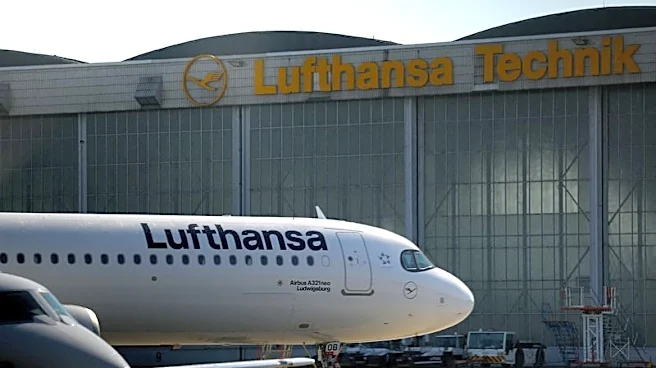
By 1954, the first fitted kitchens were delivered, and by 1955, all Lufthansa commercial planes were equipped with a Sell galley. These galleys were designed to serve and store food and beverages efficiently, even in the limited space of an aircraft. The introduction of galleys in aviation represented a shift towards improving passenger comfort and service during flights.
Evolution and Features
As aviation technology advanced, so did the design and functionality of galleys. Modern aircraft galleys are equipped with facilities to prepare and store food and beverages, as well as flight attendant jumpseats and emergency equipment storage. The familiar airline service trolley system, which is now a staple in commercial aviation, was developed to enhance the efficiency of in-flight service.
The evolution of galleys in aviation reflects the industry's focus on maximizing space and improving passenger experience. The design of these galleys has been influenced by the need to provide efficient service in a confined environment, making them an essential component of modern aircraft.
Impact on Passenger Experience
The introduction and development of galleys in aviation have had a significant impact on passenger experience. Galleys allow for the preparation and service of meals and beverages during flights, contributing to passenger comfort and satisfaction. The efficient design of galleys ensures that flight attendants can provide timely service, even on long-haul flights.
The role of galleys in aviation history highlights the importance of innovation and adaptability in the industry. As aircraft continue to evolve, galleys will remain a vital part of the aviation experience, ensuring that passengers receive the best possible service during their journey.