




Fashion design has undergone significant transformations from its origins in the 19th century to the present day. This evolution reflects changes in society, technology, and consumer preferences. The journey from haute couture to ready-to-wear has been marked by innovation and adaptation, shaping the modern fashion industry as we know it.
The Birth of Haute Couture
The concept of haute couture emerged in the 19th century, with Charles Frederick Worth often credited as the first
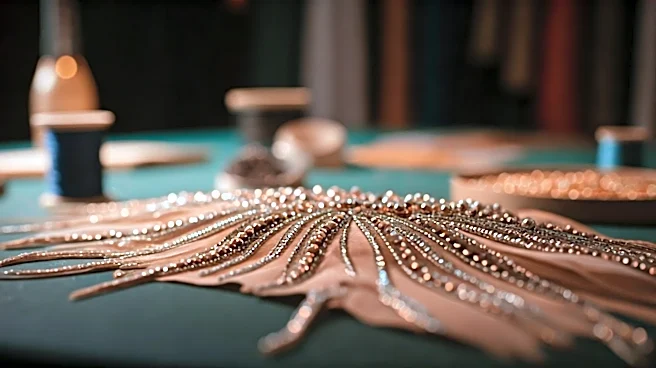
modern fashion designer. Worth's approach was revolutionary; he created exclusive, custom-fitted clothing for his clients, setting the standard for luxury fashion. His designs were characterized by intricate details and high-quality materials, appealing to the elite of society.
Before Worth's influence, there was little distinction between haute couture and ready-to-wear clothing. Most garments were made-to-measure by dressmakers and seamstresses who worked directly with clients. Worth's success in dictating fashion trends and his ability to attract high-profile clients, such as Empress Eugénie, solidified his status as a pioneer in the fashion world.
The Rise of Ready-to-Wear
The transition from haute couture to ready-to-wear began in the early 20th century. As fashion magazines gained popularity, they played a crucial role in disseminating fashion trends to a broader audience. These publications featured fashion plates and illustrations that showcased the latest styles, making fashion more accessible to the masses.
Department stores and fashion houses began to produce ready-to-wear collections, allowing consumers to purchase fashionable clothing without the need for custom fittings. This shift was driven by the growing demand for affordable and stylish clothing, as well as advancements in textile production and manufacturing techniques.
Modern Fashion Industry
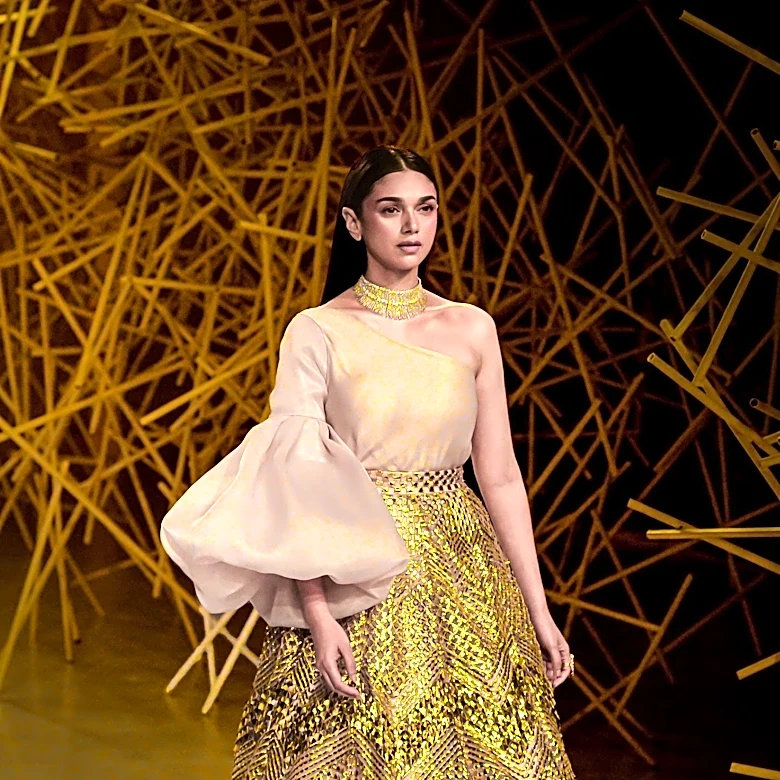
Today, the fashion industry is a dynamic and diverse landscape, with designers creating both haute couture and ready-to-wear collections. The influence of historical fashion design is evident in contemporary styles, as designers continue to draw inspiration from the past while embracing modern trends.
Fashion design has become a global phenomenon, with designers from around the world contributing to the industry's evolution. The rise of digital media and social platforms has further democratized fashion, allowing consumers to engage with brands and trends in real-time.
In conclusion, the evolution of fashion design from haute couture to ready-to-wear reflects broader societal changes and technological advancements. This journey has shaped the modern fashion industry, making it more inclusive and accessible while maintaining its roots in creativity and innovation.