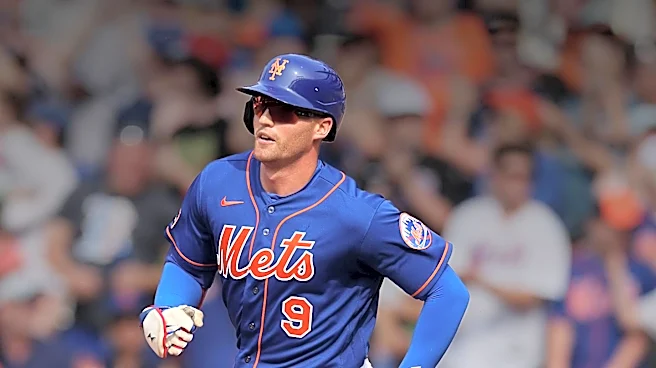


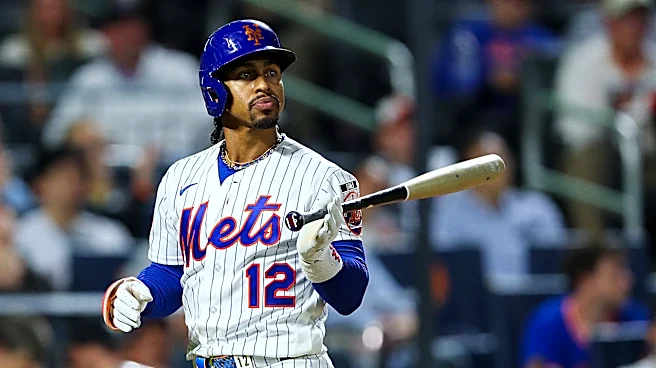
The 1962 Major League Baseball expansion marked a significant moment for New York City, as it welcomed the New York Mets into the National League. This expansion was not merely about adding a new team; it was about filling a profound void left by the departure of two beloved National League franchises. After the 1957 season, both the New York Giants and the Brooklyn Dodgers moved to California, leaving New York City without an NL team for the first
time in decades. The establishment of the Mets was a direct response to this absence, driven by both civic pride and the evolving landscape of professional baseball.
The Exodus and the Call for a Replacement
For a period of 50 years, from 1903 to 1952, Major League Baseball's 16-team structure remained stable, with no franchises relocating. During this time, several major U.S. cities, including New York City, hosted multiple teams. However, by the early 1950s, less financially successful clubs in two-team cities found it increasingly difficult to compete. Concurrently, population shifts in the United States saw many citizens moving away from the Northeast, where many MLB teams were based, towards southern and western locations.
This demographic and economic pressure led to significant changes. From 1953 to 1955, three franchises relocated, all from markets that had previously hosted multiple teams. The most impactful of these moves for New York City occurred prior to the 1958 season, when the Brooklyn Dodgers relocated to Los Angeles and the New York Giants moved to San Francisco. This left a substantial gap in the city's baseball landscape, prompting a strong desire for a replacement National League franchise.
Political Will and the Threat of a Rival League
New York City's Mayor Robert Wagner strongly supported the idea of a new National League club. The city's determination was evident in the formation of the Mayor's Committee shortly after the Dodgers and Giants announced their departures, with lawyer William Shea at its head. Despite initial reluctance from MLB to add a New York team, the city's efforts, combined with external pressures, eventually swayed the league.
A significant factor was the proposal for a third major league, the Continental League, which aimed to start by 1961 with franchises in markets MLB had previously ignored. This potential rival league, coupled with pressure from the U.S. Congress regarding baseball's antitrust exemption, pushed MLB to consider expansion more seriously. Congress even voted on a bill to repeal the exemption, though it failed. However, the threat of a rival league spurred MLB into action, leading to the formation of an expansion committee.
The Expansion and the Mets' Inaugural Home
MLB's expansion committee ultimately voted in favor of adding four new teams, two in each league, by 1961–62. The league specifically sought cities that had shown interest in the Continental League, including Houston and New York City. The National League announced its expansion plans while the 1960 World Series was in progress, granting new teams to Houston and New York City. William Shea, a supporter of the Continental League concept, had already attracted several investors for a New York team.
On October 17, 1960, MLB officially granted franchises to the two cities. The New York Mets were born, and the National League season was expanded from 154 to 162 games per team. While the city was unable to secure funding for a proposed Flushing Meadows stadium in time for the 1962 season, the Mets found a temporary home at the Polo Grounds, the former stadium of the New York Giants. George Weiss was appointed president of the team, and the legendary seven-time World Series championship-winning manager Casey Stengel was hired to lead the Mets on the field, setting the stage for their inaugural season.