






Disney's 1942 animated film *Bambi* is not just a story about a young deer; it's a rich tapestry of character development and interspecies relationships that drive its emotional core. From the titular fawn to his loyal friends and wise mentors, each character plays a crucial role in Bambi's journey from innocent youth to the Great Prince of the Forest. The film, loosely based on Felix Salten's novel, masterfully portrays the complexities of growing
up, forming bonds, and facing life's challenges through the eyes of its animal protagonists.
Bambi's Early Life and Found Family
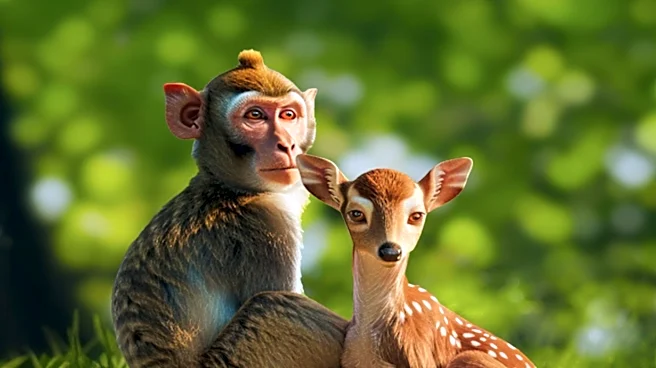
At the heart of the narrative is Bambi, a male fawn born deep in the forest. His early life is characterized by a profound attachment to his mother, who serves as his primary guide and protector. She teaches him about the various inhabitants of the forest and the ways deer live, instilling in him a sense of wonder and caution. This maternal bond is central to Bambi's initial understanding of the world and sets the stage for his emotional development.
Beyond his mother, Bambi quickly forms a close-knit group of friends. Thumper, an eager and energetic male rabbit, becomes an early companion, helping Bambi learn fundamental skills like walking and speaking. Their playful interactions provide moments of levity and demonstrate the innocence of childhood. The young male skunk, whom Bambi mistakenly calls "Flower," is another key friend. Flower, flattered by the name, adopts it, highlighting the simple, accepting nature of their friendship. These early relationships are foundational, providing Bambi with a sense of belonging and support as he navigates his formative years.
Mentorship, Loss, and Maturation
As Bambi grows, his world expands, and he encounters figures who further shape his understanding of life. The Great Prince, the oldest and most experienced stag, represents wisdom and authority. His brief appearance early on, warning of the human hunter known as "Man," introduces Bambi to the harsh realities of the forest. This mentorship becomes more direct and crucial after the tragic death of Bambi's mother, who is shot by a hunter. This devastating loss leaves Bambi mournful and alone, marking a significant turning point in his development.
In a poignant moment, the Great Prince reveals himself to be Bambi's father and leads the abandoned fawn home, taking on a more active role in his upbringing. This transition signifies Bambi's move from childhood dependence to a more mature understanding of his lineage and future responsibilities. The following year, Bambi, Thumper, and Flower all mature into young adults, facing new experiences like the concept of being "twitterpated," or falling in love, a notion initially dismissed but soon embraced by the trio as they find their own romantic counterparts.
Romance, Rivalry, and Leadership
Bambi's own journey into adulthood includes a reunion with Faline, a beautiful doe he knew from childhood. Their budding romance is interrupted by Ronno, a belligerent older stag who attempts to force Faline away. Bambi's victory over Ronno in battle is a crucial display of his growing strength and confidence, solidifying his claim to Faline's affections and demonstrating his readiness to protect those he cares about. This conflict highlights the natural rivalries and challenges inherent in the animal kingdom.
The film culminates with Bambi fully embracing his destiny as the Great Prince of the Forest. He faces the return of Man, the threat of hunting dogs, and a devastating wildfire, navigating these perils with courage and the guidance of his father. His ability to protect Faline and the other forest animals during the wildfire, and his eventual role in overseeing the birth of Faline's twins, underscore his complete transformation into a wise and responsible leader. The character arcs of Bambi and his friends illustrate a comprehensive coming-of-age narrative, emphasizing the importance of friendship, family, and resilience in the face of adversity.