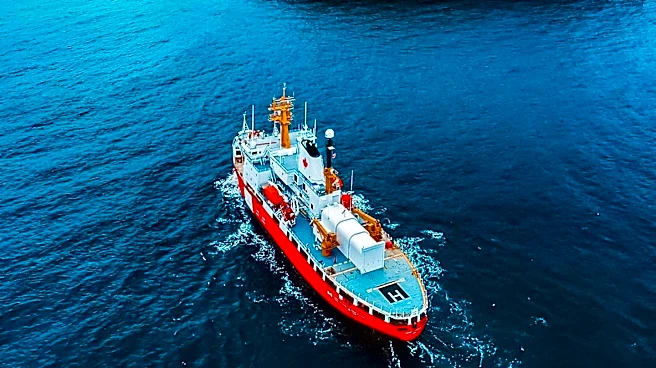






The United States Coast Guard Academy, located in New London, Connecticut, has a rich history that dates back to its founding in 1876. Originally established as the Revenue Cutter Service School of Instruction, the academy has undergone significant changes over the years, adapting to the evolving needs of the Coast Guard and the nation. This article explores the key milestones in the academy's development, highlighting its transformation into a modern
institution dedicated to training future Coast Guard officers.
Early Beginnings and Development
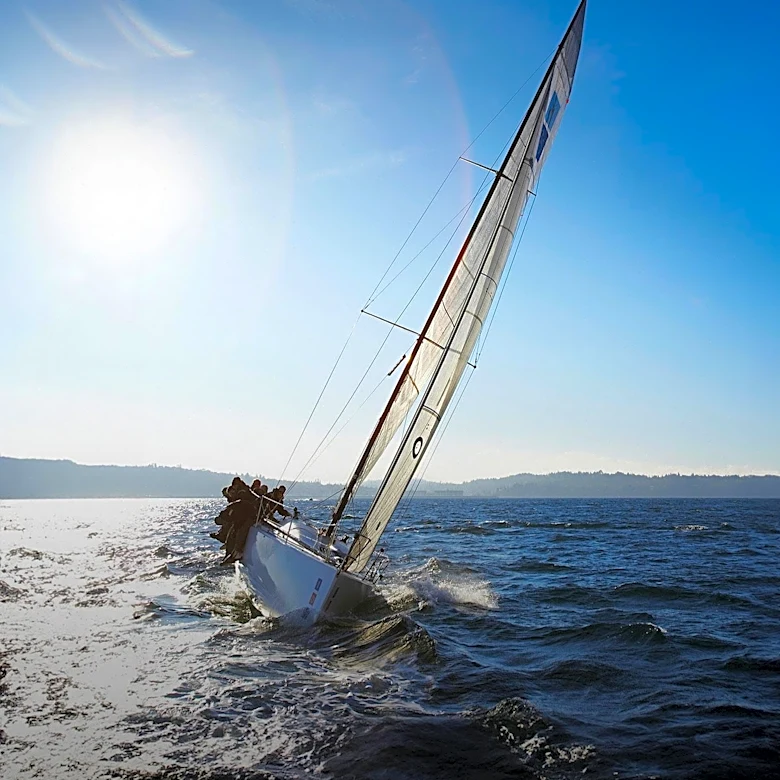
The academy was founded in 1876 as the Revenue Cutter Service School of Instruction, marking the beginning of formalized training for future officers of the Revenue Cutter Service, the predecessor to the U.S. Coast Guard. Initially, cadets received their training aboard ships, as there were no physical classrooms on shore until 1900. This early period was characterized by a focus on practical seamanship and navigation skills, essential for the maritime responsibilities of the Revenue Cutter Service.
In 1915, the Revenue Cutter Service merged with the U.S. Life-Saving Service to form the United States Coast Guard, and the academy was renamed the Revenue Cutter Academy. This change reflected the broader scope of the Coast Guard's mission, which now included life-saving operations in addition to its traditional roles. The academy continued to evolve, eventually becoming the United States Coast Guard Academy, as it is known today.
Integration and Modernization
A significant milestone in the academy's history was its racial integration in 1962, following a request from President John F. Kennedy. This move was part of a broader effort to desegregate the armed forces and ensure equal opportunities for all Americans. The academy further expanded its inclusivity by admitting women in 1976, in response to a mandate from Congress. These changes marked a new era of diversity and equality at the institution.
Throughout the 20th century, the academy continued to modernize its curriculum and facilities. It introduced new academic programs and expanded its campus to accommodate a growing number of cadets. The academy's commitment to excellence in education and training has remained a constant, ensuring that its graduates are well-prepared to serve as officers in the Coast Guard.
Recent Developments and Challenges
In recent years, the academy has faced challenges related to misconduct and discrimination. In December 2023, a probe was opened into the mishandling of serious misconduct, including racism and sexual harassment. This investigation highlighted the need for continued vigilance and reform to maintain a safe and inclusive environment for all cadets.
Despite these challenges, the academy remains a vital institution for the Coast Guard, providing rigorous training and education to future officers. Its motto, "The sea yields to knowledge," reflects the academy's enduring commitment to preparing cadets for the complex and demanding responsibilities of maritime service. As the academy looks to the future, it continues to adapt and evolve, ensuring that it remains at the forefront of maritime education and leadership development.