

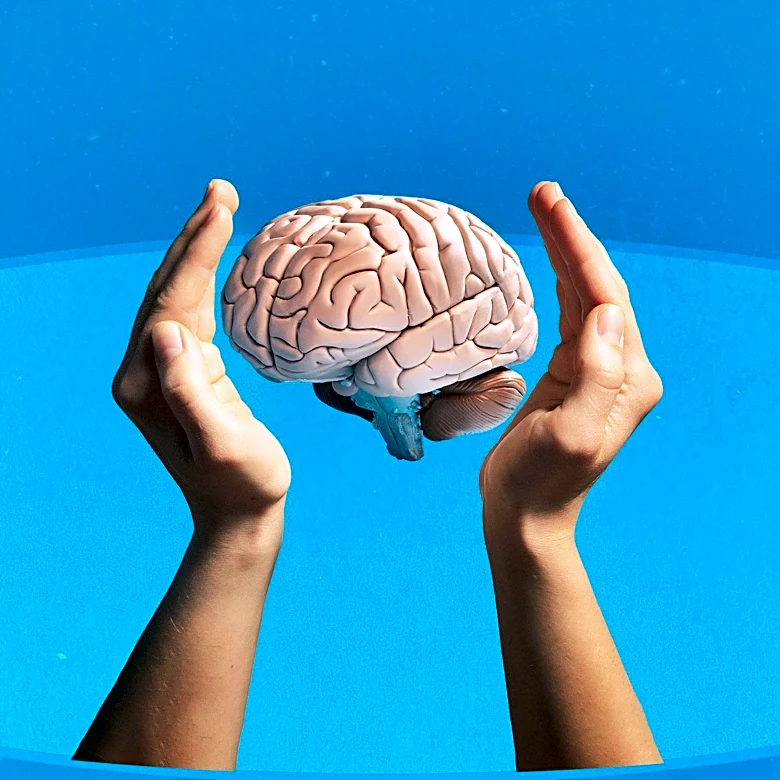





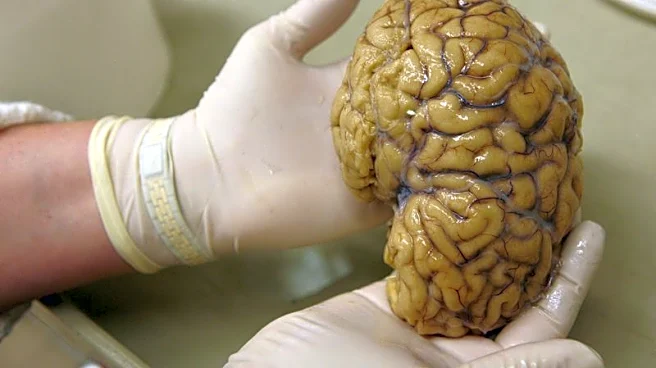
The hypothalamus, a small but incredibly powerful region of the brain, is widely recognized as a crucial integration center. Its significance stems from its unique ability to gather and process inputs from virtually all other areas of the brain, subsequently translating these complex electrical signals into specific physiological responses. Within the neuroendocrine system, the hypothalamus acts as a central command post, converting neural information
into chemical messages in the form of hormones or releasing factors. These chemical messengers are then dispatched to the pituitary gland, from where they enter the systemic circulation to orchestrate a wide range of bodily functions, ensuring the maintenance of internal stability, a process known as homeostasis.
Translating Electrical Signals into Hormonal Commands
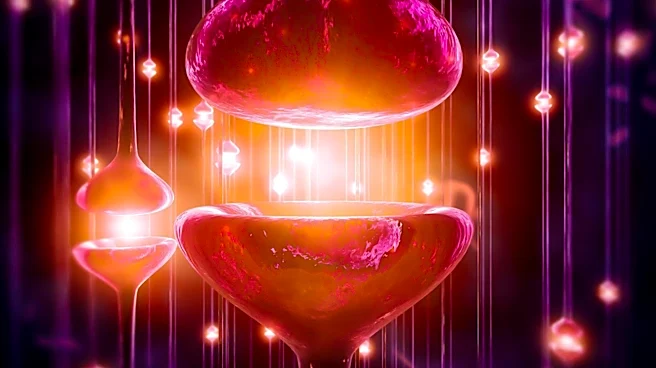
One of the hypothalamus's most remarkable capabilities is its role in neuroendocrine integration. It receives a constant stream of electrical signals from diverse parts of the brain, reflecting the body's internal state and external environment. The hypothalamus then acts as a sophisticated translator, converting these electrical impulses into chemical signals. These chemical signals are either hormones that it produces directly or releasing factors that stimulate other glands to produce hormones. This conversion is a fundamental step in how the brain communicates with and controls the endocrine system.
These hypothalamic chemical signals are not released haphazardly. Instead, they are precisely transported to the pituitary gland, which is strategically located just below the hypothalamus. From the pituitary, these hormones or factors are then distributed throughout the body via the bloodstream. This direct and efficient communication pathway allows the hypothalamus to exert profound influence over numerous physiological processes, making it indispensable for the body's overall regulation and adaptive responses.
Orchestrating Essential Physiological Processes
The hypothalamus is a key player in maintaining homeostasis, regulating a variety of critical bodily functions. Its influence extends to fundamental processes such as reproduction, ensuring the proper functioning of the reproductive system. It also meticulously controls metabolism, impacting how the body processes and utilizes energy. Eating and drinking behavior, essential for nutrient and fluid intake, are also under hypothalamic regulation. Furthermore, the hypothalamus plays a vital role in energy utilization, osmolarity (the balance of water and salts in the body), and blood pressure, all of which are crucial for survival.
To achieve this broad regulatory control, the hypothalamus interacts with both the posterior and anterior pituitary glands. In its endocrine cells, the hypothalamus produces hormones like oxytocin and vasopressin. These are then released at nerve endings in the posterior pituitary gland and subsequently secreted into the systemic circulation. For the anterior pituitary, the hypothalamus releases tropic hormones into the hypophyseal portal system. These tropic hormones stimulate the anterior pituitary to secrete its own trophic hormones into the circulation, which then elicit specific responses from various target tissues throughout the body. This multi-layered control mechanism allows for precise and adaptable regulation.
Feedback Loops and Dynamic Regulation
The regulatory actions of the hypothalamus are not a one-way street; they involve intricate feedback loops. The responses elicited from target tissues by pituitary hormones can signal back to both the hypothalamus and the anterior pituitary. This feedback mechanism is crucial for fine-tuning hormonal production. Depending on the body's needs, these signals can either inhibit or stimulate the continued production of precursor signals from the hypothalamus and pituitary. This dynamic regulation ensures that hormone levels are kept within optimal ranges, preventing excesses or deficiencies that could disrupt homeostasis.
For example, the steroids secreted by the gonads, which are under hypothalamic control, can in turn influence brain function. Similarly, corticosteroids released from the adrenal gland, stimulated by adrenocorticotrophic hormone originating from the pituitary (and ultimately the hypothalamus), also impact the brain. These feedback interactions highlight the complex, interconnected nature of the neuroendocrine system, where the hypothalamus serves as the ultimate conductor, ensuring that the body's internal environment remains stable and responsive to changing conditions.