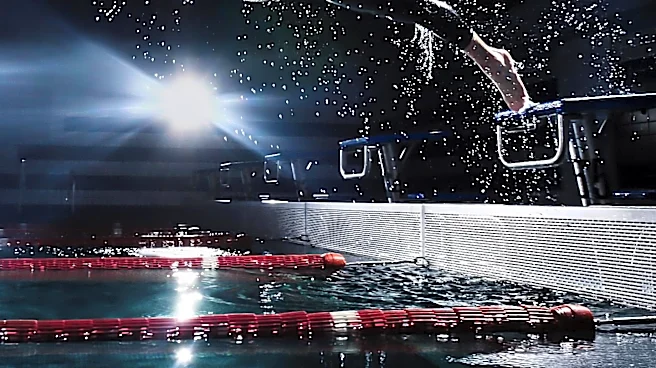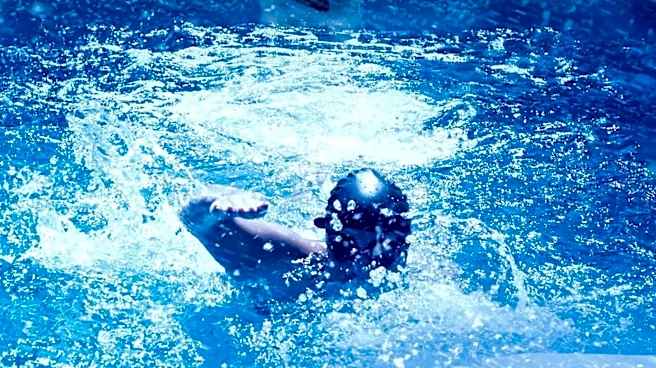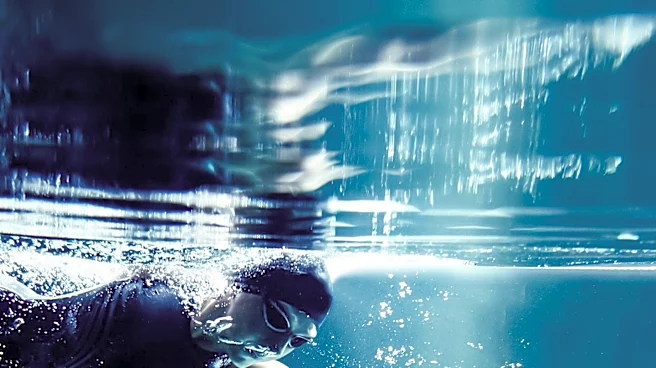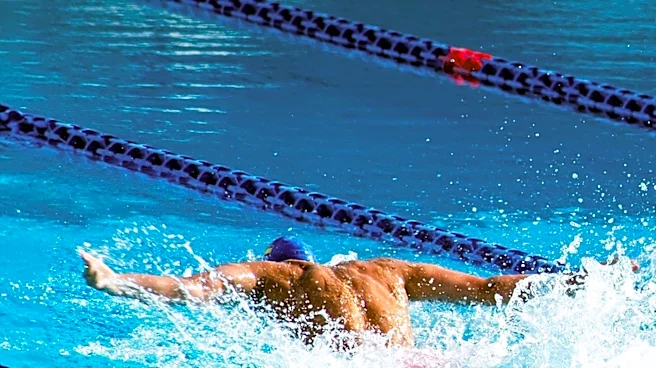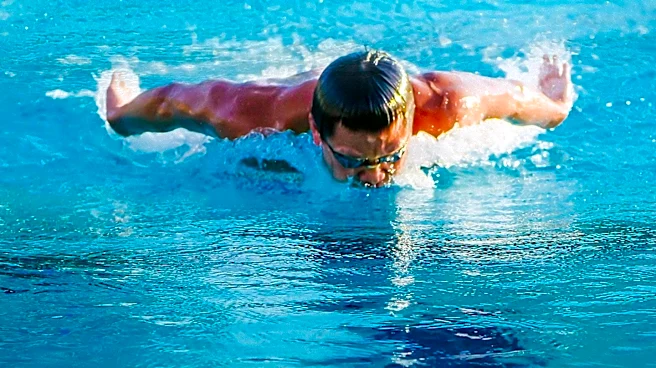

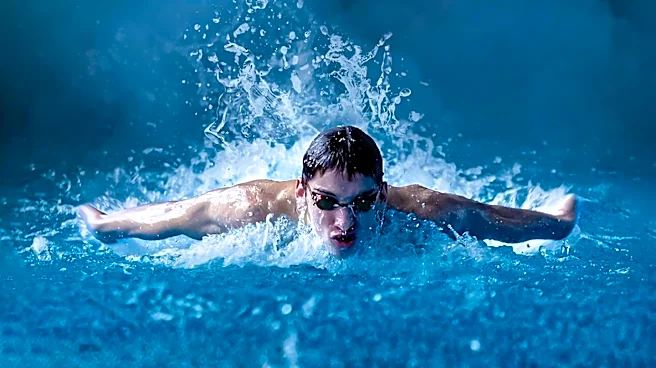
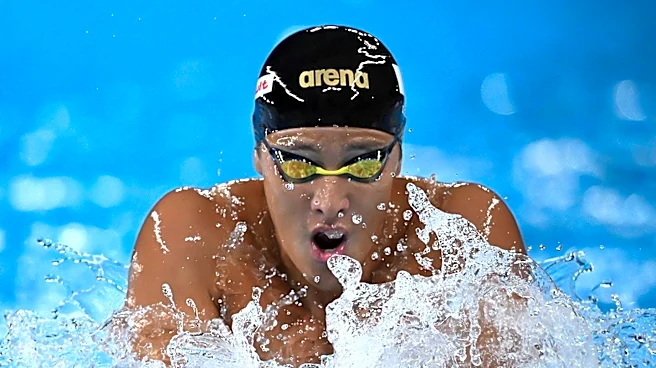

The Men's 400 meter individual medley at the 2008 Summer Olympics was a showcase of international talent, with 29 competitors from 22 nations vying for the prestigious Olympic medals. Held at the Beijing National Aquatics Center, this event highlighted the diverse skills and competitive spirit of swimmers from around the world.
Key Competitors and Their Backgrounds
The event featured a mix of seasoned Olympians and emerging talents, each bringing their unique strengths to the pool. Michael
Phelps, representing the United States, was the standout favorite, having already set a world record during the U.S. Olympic Trials. His reputation as a dominant force in swimming was well-established, and he was expected to perform exceptionally well.
Hungary's László Cseh was another key competitor, known for his prowess in medley events. Cseh had previously earned medals in European competitions and was eager to make his mark on the Olympic stage. Ryan Lochte, also from the United States, was a formidable opponent, known for his versatility and competitive edge. The Italian swimmers Alessio Boggiatto and Luca Marin added depth to the field, each with a history of strong performances in international meets.
The Race Dynamics
The race unfolded with intense competition, as each swimmer aimed to excel in the four strokes of the medley: butterfly, backstroke, breaststroke, and freestyle. Michael Phelps quickly established a lead during the breaststroke leg, showcasing his exceptional technique and speed. László Cseh and Ryan Lochte were close behind, pushing hard to challenge Phelps' dominance.
As the race progressed, Phelps maintained his lead, ultimately finishing with a new world record time of 4:03.84. Cseh secured the silver medal with a European record time of 4:06.16, while Lochte claimed the bronze with a time of 4:08.09. The Italian swimmers Boggiatto and Marin finished fourth and fifth, respectively, demonstrating the competitive nature of the event.
The Global Impact of the Event
The Men's 400 meter individual medley at the 2008 Olympics was a testament to the global reach of competitive swimming. With athletes from 22 nations participating, the event highlighted the diverse talent pool in the sport. The performances of Phelps, Cseh, and Lochte were particularly noteworthy, as they set new records and inspired swimmers worldwide.
This event underscored the importance of international competition in fostering excellence and camaraderie among athletes. The 2008 Olympics served as a platform for swimmers to showcase their skills and achieve personal milestones, contributing to the rich history of Olympic swimming.