







Road cycling, a broad category encompassing recreational riding, competitive racing, and utility cycling, has undergone significant transformations since its inception. The journey began in 1817 with Karl von Drais's pioneering invention, a rudimentary bicycle constructed from heavy steel and wood. This early design laid the groundwork for what would become a global phenomenon, but it was far from the sleek, efficient machines riders use today. The industry's
continuous pursuit of speed, comfort, and performance has driven a remarkable evolution in materials and design, fundamentally changing the experience of road cycling.
Early Innovations and Material Shifts
The first bicycle, created by Karl von Drais in 1817, marked the dawn of personal, human-powered transportation. These initial models were characterized by their substantial weight, often tipping the scales at around 80 pounds due to their steel and wood construction. This made them cumbersome and limited their practical application, though they sparked an interest that would eventually lead to widespread adoption.
As the sport and recreational activity gained traction, the demand for lighter, more efficient bicycles grew. This led to a pivotal shift in manufacturing materials. The road bicycle industry began to explore and integrate new substances, moving away from the heavy steel that defined early models. This quest for material innovation was crucial for enhancing rider performance and making cycling more accessible and enjoyable.
The Rise of Modern Materials
The late 20th and early 21st centuries saw the widespread adoption of advanced materials like aluminum, carbon fiber, and titanium in road bicycle production. Aluminum, known for its strength-to-weight ratio and affordability, became a popular choice for frames, offering a significant weight reduction compared to steel without a prohibitive cost.
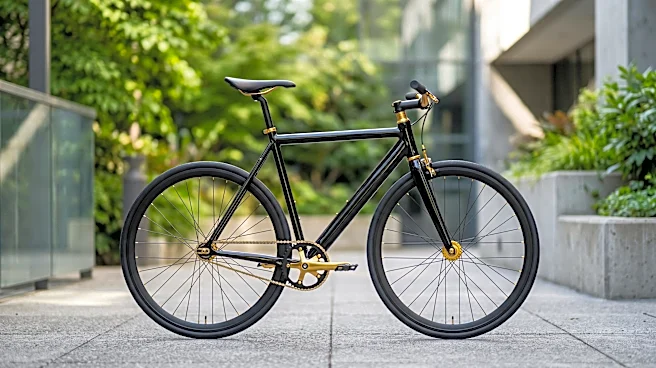
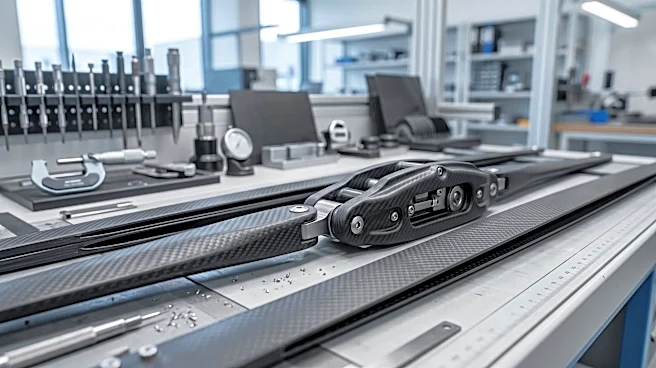
Carbon fiber, however, represented a revolutionary leap. This material allowed for the creation of incredibly light yet strong frames, capable of absorbing road vibrations while providing excellent stiffness for power transfer. The lightest carbon fiber road bikes now weigh as little as thirteen pounds, a stark contrast to the 80-pound steel bicycles of the past. Titanium also found its niche, prized for its durability, corrosion resistance, and comfortable ride quality, though typically at a higher cost. These material advancements have not only made bicycles lighter but also more aerodynamic, a critical factor in achieving higher speeds, especially given that overcoming aerodynamic drag accounts for over 75% of a cyclist's expended energy at speeds above 19 mph (30 km/h).
Design for Performance and Aerodynamics
Beyond materials, the design of road bicycles has also evolved to optimize performance. Modern road bikes generally feature thinner tires, which reduce rolling resistance, and lighter frames that often lack suspension, prioritizing efficiency on paved surfaces. The characteristic drop handlebars allow riders to adopt a more aerodynamic position, minimizing wind resistance at higher speeds. This focus on aerodynamics is paramount, as professional riders can average up to 25 mph (40 km/h), and even intermediate cyclists can maintain speeds of 18 to 20 mph (29 to 32 km/h) on flat roads. The continuous refinement of bicycle design, coupled with material innovation, underscores the industry's commitment to pushing the boundaries of what's possible in road cycling.
This ongoing evolution ensures that road cycling remains at the forefront of athletic and recreational pursuits, constantly adapting to new technologies and insights to enhance the rider's experience.