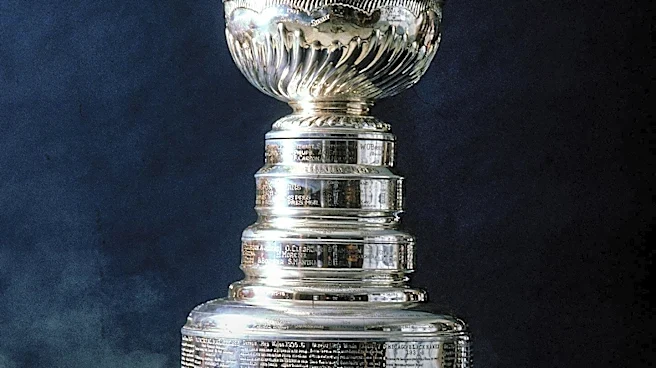




The 1993-94 National Hockey League (NHL) season culminated in a historic triumph for the New York Rangers, as they captured the Stanley Cup, ending a championship drought that had spanned 54 years. This victory marked their fourth Stanley Cup overall, but it was particularly significant given the long wait since their last win in the 1939-40 season. The Rangers' journey to the championship was a testament to their regular season dominance and their ability
to perform under immense pressure in the playoffs, ultimately defeating the Vancouver Canucks in a grueling seven-game series. This season was not just about the Rangers' win, but also about the broader context of a league undergoing significant expansion and realignment.
Regular Season Dominance
The New York Rangers established themselves as a formidable force early in the 1993-94 season. They finished at the top of the Atlantic Division, accumulating an impressive 112 points. This strong performance was built on a solid foundation, as they recorded 52 wins, 24 losses, and 8 ties over their 84-game schedule. Their offensive prowess was evident, scoring 299 goals, while their defense was equally robust, allowing only 231 goals against. This consistent high level of play throughout the regular season positioned them as a top contender for the Stanley Cup and earned them the Presidents' Trophy, awarded to the team with the best regular season record.
Their divisional rivals, the New Jersey Devils, also had a strong showing, finishing with 106 points, highlighting the competitive nature of the Atlantic Division. However, the Rangers' overall performance set them apart, demonstrating a blend of skill, teamwork, and strategic execution that would prove crucial in their playoff run. The team's individual talents were also recognized, with Brian Leetch later earning the Playoffs MVP award, underscoring the critical contributions of key players to their success.
The Road to the Stanley Cup
After a dominant regular season, the New York Rangers entered the playoffs with high expectations. Their path to the Stanley Cup Final was challenging, navigating through a newly realigned league structure that featured conference-based seeding. The playoffs themselves were intense, with teams battling through multiple rounds to earn the right to compete for the championship. The Rangers' ability to maintain their composure and execute their game plan under the heightened pressure of playoff hockey was a defining characteristic of their run.
Ultimately, the Rangers faced the Vancouver Canucks in the Stanley Cup Final. The series was a hard-fought contest, extending to the maximum seven games. In a dramatic conclusion, the New York Rangers emerged victorious, clinching the series and the Stanley Cup. This victory was not just a win for the team but a moment of immense celebration for their long-suffering fan base, marking the end of a 54-year wait and solidifying their place in NHL history. The final game, played on June 14, 1994, became a memorable date for the franchise and its supporters.