



Juan Rodríguez Cabrillo is primarily recognized for his groundbreaking maritime explorations along the west coast of North America. Acting on behalf of the Spanish Empire, Cabrillo became the first European to explore what is now known as Alta California. His pivotal voyage, which took place between 1542 and 1543, originated from New Spain, modern-day Mexico, and led him to navigate along the previously uncharted California coastline. This expedition
marked a significant moment in the history of European exploration, opening up new geographical knowledge of the Pacific coast.
Setting Sail: The Fleet and Early Progress
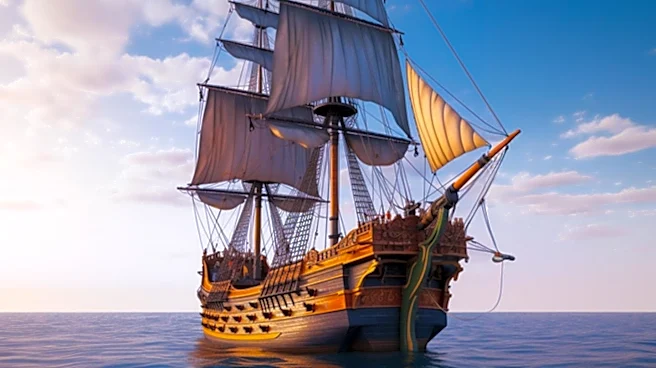
On June 27, 1542, Cabrillo embarked from Navidad, a port in New Spain, with a fleet comprising three ships. The flagship of this expedition was the *San Salvador*, a 200-ton galleon. Accompanying it were the *La Victoria*, a smaller vessel of approximately 100 tons, and the *San Miguel*, a lateen-rigged "fragata" or "bergantin" equipped with twenty-six oars. This diverse fleet was prepared for the challenges of exploring unknown waters, carrying the hopes of the Spanish Empire for new discoveries.
Their journey quickly brought them to significant landmarks. By August 1, Cabrillo's fleet had anchored within sight of Cedros Island. The expedition continued its northward progress, and before the end of that month, they had successfully passed Baja Point. This point had been named "Cabo del Engaño" by Francisco de Ulloa in 1539, indicating that Cabrillo was moving beyond previously explored territories. The passage of Baja Point signaled their entry into "uncharted waters, where no Spanish ships had been before," a testament to the pioneering nature of their mission.
Discovering San Diego Bay and Beyond
One of the most notable achievements of Cabrillo's expedition occurred on September 28, 1542. On this date, he landed in what is now known as San Diego Bay. Cabrillo named this significant discovery "San Miguel," marking the first recorded European presence in this important natural harbor. This landing provided the expedition with a crucial point of reference and a temporary respite from their arduous journey along the coast.
The exploration of the California coast continued into 1543. Cabrillo's mission was not merely to sight land but to investigate and chart the coastline, providing valuable information for future Spanish endeavors. His voyage laid the groundwork for subsequent European interactions with the region, establishing the initial European understanding of the geography of Alta California. The details of his journey, though sometimes sparse, highlight the courage and determination required to navigate such vast and unknown stretches of ocean.
The Legacy of the Expedition
Cabrillo's expedition, despite its relatively short duration, had a lasting impact. It provided the first European accounts and charts of the California coast, extending Spanish claims and knowledge further north along the Pacific. The naming of San Diego Bay as "San Miguel" is a direct legacy of this voyage, though the name was later changed. His exploration opened the door for future Spanish colonization and trade routes, even though Cabrillo himself would not live to see the full implications of his discoveries. His journey remains a foundational event in the history of California and North American exploration.