






Proper diet and nutrition are cornerstones of feline health, directly influencing a cat's overall well-being and longevity. Cats are obligate carnivores, a biological classification that dictates their specific dietary requirements. This means their bodies are uniquely adapted to process and thrive on a diet primarily composed of animal tissues. Understanding these fundamental needs is crucial for cat owners, especially when considering the array
of commercial and home-prepared food options available today.
The Carnivorous Nature and Essential Nutrients
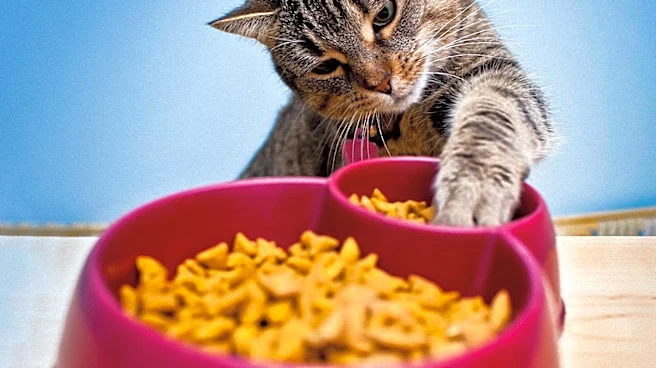
Veterinarians frequently recommend commercial cat foods that are specifically formulated to meet the complex nutritional demands of felines. These diets are designed to provide a balanced intake of proteins, fats, vitamins, and minerals essential for a cat's health. However, a growing number of cat owners are opting for home-prepared cooked or raw diets, which require careful planning to ensure nutritional completeness. A key component of a cat's diet is taurine, an organic acid found abundantly in animal tissues. Taurine plays a critical role in numerous biological processes, including the conjugation of bile acids, antioxidation, membrane stabilization, and the modulation of calcium signaling. It is indispensable for cardiovascular function, the development and function of skeletal muscle, the health of the retinas, and the proper functioning of the central nervous system in cats.
The obligate carnivorous nature of cats also raises concerns about vegetarian and vegan cat foods. The U.S. Food and Drug Administration Center for Veterinary Medicine has expressed reservations about these diets for health reasons. While vegetable proteins can be used as substitutes for meat protein, they often fail to provide a sufficient quantity of the specific amino acids that are vital for a cat's body to function optimally. This highlights the importance of a meat-rich diet to ensure cats receive all the necessary nutrients for their unique physiology.
Dangers of Inappropriate Diets and Malnutrition
While malnutrition in cats is less common today due to the widespread availability of complete and balanced commercial diets, it can still occur under certain circumstances. Factors such such as a significant decrease in food intake, interactions between ingredients or nutrients, errors during food formulation or manufacturing, or prolonged storage of food can all contribute to nutritional deficiencies. When a cat becomes malnourished, it can suffer from a lack of energy, protein, taurine, essential fatty acids, and crucial minerals like calcium, phosphorus, magnesium, sodium, and potassium. Deficiencies in vitamins such as A, D, E, thiamine, niacin, and biotin, as well as trace elements like iron, copper, zinc, iodine, and selenium, can also manifest, leading to a multitude of health problems.
One severe consequence of malnutrition is central retinal degeneration, a dysfunction that can also have a hereditary component. This condition affects the retina, the thin layer of tissue at the back of the eye responsible for converting light into electrical nerve signals for vision. Retinal degeneration can be directly caused by a taurine deficiency, which is why many commercial cat foods are supplemented with this vital nutrient. Although central retinal degeneration is irreversible, its progression can be significantly slowed if a diet adequately supplemented with taurine is provided. Furthermore, vitamin A and E deficiencies can also contribute to retinal degeneration. Beyond nutritional imbalances, cat owners must be aware of common human foods and household substances that are toxic to cats, including chocolate, onion, garlic, avocados, grapes, raisins, coffee, tomato and tomato leaves, and milk. Phenolic compounds, such as those found in TCP, are also harmful to cats, underscoring the need for vigilance in a cat's environment.