








Rewards are not only a concept in business and economics but also play a significant role in science and psychology. They are integral to understanding human behavior and motivation, influencing how individuals respond to stimuli and make decisions. This article explores the scientific and psychological aspects of rewards, highlighting their importance in these fields.
Brain Stimulation Reward
In the realm of science, brain stimulation reward is a fascinating concept that
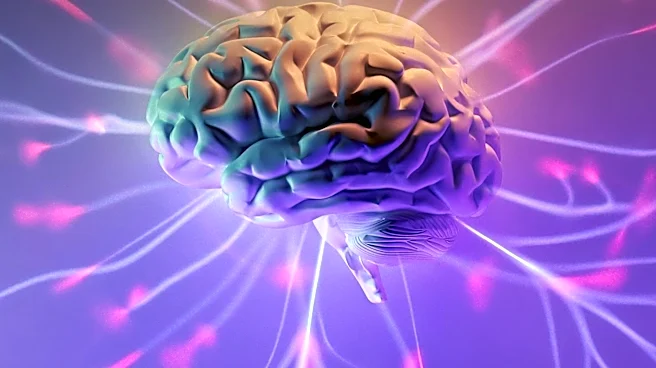
involves an operant response following electrical stimulation of the brain. This process is used to study the brain's reward system, which includes structures and neural pathways involved in reward cognition. By understanding how the brain responds to stimulation, researchers can gain insights into the mechanisms of motivation and pleasure.
Brain stimulation reward has implications for various scientific fields, including neuroscience and psychology. It helps researchers explore how rewards influence behavior and decision-making, providing a deeper understanding of human motivation. This knowledge can be applied to develop treatments for conditions related to reward system dysfunction, such as addiction and depression.
Incentive Salience and Reward Dependence
In psychology, the concept of incentive salience is crucial to understanding how rewards motivate behavior. Incentive salience refers to the motivational aspect associated with rewards, explaining why individuals are drawn to pursue them. This concept is essential for studying how rewards influence decision-making and behavior.
Reward dependence is another important psychological trait related to rewards. It describes the extent to which individuals rely on rewards to motivate their actions. Understanding reward dependence can help psychologists develop strategies to enhance motivation and engagement, particularly in therapeutic settings. By leveraging the power of rewards, psychologists can encourage positive behavior change and improve mental health outcomes.
The Reward System in Psychology
The reward system, comprising brain structures and neural pathways, is central to how individuals perceive and respond to rewards. In psychology, this system is studied to understand the mechanisms of motivation and pleasure. By examining the reward system, psychologists can gain insights into how rewards influence behavior and decision-making.
This understanding is crucial for developing interventions that leverage rewards to promote positive behavior change. For example, reward-based therapies can be used to treat addiction by reinforcing healthy behaviors and reducing reliance on harmful substances. By understanding the reward system, psychologists can design effective interventions that improve mental health and well-being.
In summary, rewards are a vital concept in science and psychology, influencing behavior and motivation. By studying the brain's response to rewards and understanding psychological traits related to rewards, researchers and psychologists can develop strategies to enhance motivation and improve mental health outcomes.