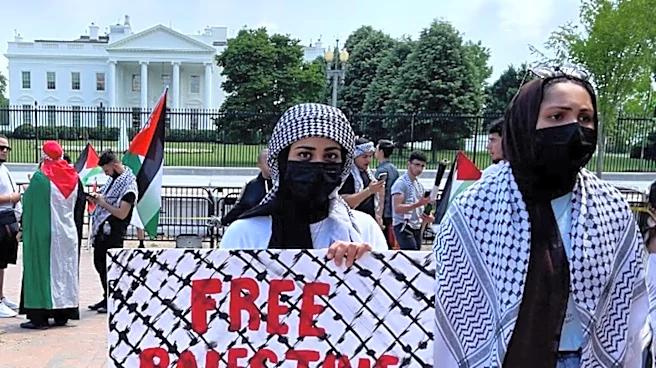







The keffiyeh, a traditional square scarf worn by men in the Middle East and North Africa, holds a profound significance as a symbol of Palestinian nationalism and resistance. While originally a practical headdress for protection against the elements, its distinct black-and-white pattern has become an internationally recognized emblem of solidarity with the Palestinian cause. This transformation from a utilitarian garment to a powerful political statement
is rooted in specific historical events and the actions of influential figures who adopted it as a visual representation of their struggle.
Early Adoption and the Arab Revolt
Historically, white keffiyehs were commonly worn by Palestinian peasants and Bedouins as a means of protection from the sun, particularly during the period when Palestine was part of the Ottoman Empire. This widespread use among the rural population established the keffiyeh as an authentic local garment. However, its evolution into a symbol of Palestinian nationalism began in earnest during the 1936–1939 Arab revolt in Palestine.During this revolt, the keffiyeh's use expanded significantly beyond its traditional wearers. The leadership of the revolt strategically ordered urban classes to replace their traditional tarbush hats with the keffiyeh. This directive served a dual purpose: it aimed to foster a sense of unity among different segments of Palestinian society and allowed rebels to blend in more easily when they entered cities. This period marked a crucial turning point, as the keffiyeh became a unifying symbol of resistance against British rule and Zionist settlement, solidifying its place in the collective Palestinian identity.
Yasser Arafat and the Iconic Black-and-White Keffiyeh
The prominence of the keffiyeh as a symbol of Palestinian resistance dramatically increased in the 1960s with the rise of the Palestinian resistance movement and its adoption by political leader Yasser Arafat. The black-and-white fishnet pattern keffiyeh became Arafat's personal trademark; he was rarely seen without it, occasionally substituting it only with a military cap or, in colder climates, a Russian-style ushanka hat.Arafat wore his keffiyeh in a semi-traditional manner, wrapped around his head and secured with an agal. He also incorporated a similarly patterned piece of cloth into the neckline of his military fatigues. Early in his career, Arafat made it his personal signature to drape the scarf over his right shoulder only, meticulously arranging it to form the rough shape of a triangle. This specific way of wearing the keffiyeh was intended to resemble the outlines of the territory claimed by Palestine. This distinctive style became synonymous with Arafat as a person and a political leader, and it has largely remained unique to him, not being widely imitated by other Palestinian leaders.
Leila Khaled and the Keffiyeh as a Feminist Statement
Another significant Palestinian figure associated with the keffiyeh is Leila Khaled, a prominent member of the armed wing of the Popular Front for the Liberation of Palestine (PFLP). Photographs of Khaled, particularly after the hijackings of TWA Flight 840 and the Dawson's Field hijackings, circulated widely in Western newspapers. These images often depicted Khaled wearing a keffiyeh in a style reminiscent of a Muslim woman's hijab, wrapped around her head and shoulders.One of the most famous of these images was captured by Pulitzer Prize winner Eddie Adams. These photographs not only brought publicity to the hijackings but also elevated Khaled to an iconic status within the broader Palestinian liberation movement and among leftist movements globally. Her choice to wear the keffiyeh was particularly notable because the garment is traditionally associated with Arab masculinity. Many interpret Khaled's wearing of the keffiyeh as a deliberate fashion statement, signifying her equality with men within the Palestinian resistance movement, thereby adding a feminist dimension to its symbolic power.