

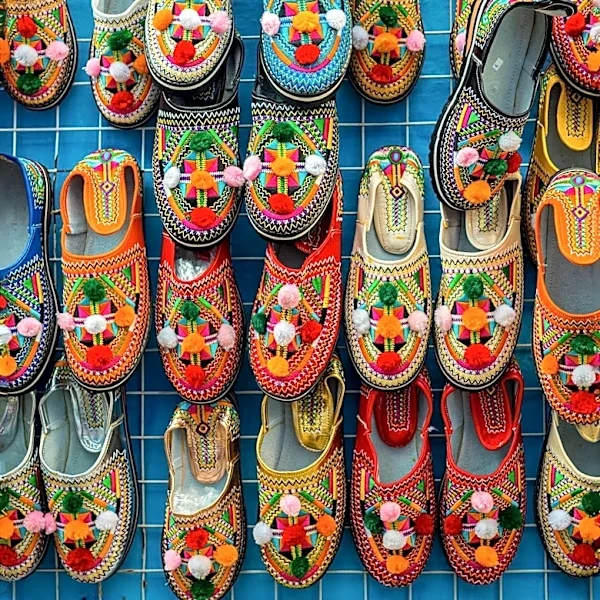




Sandals, an open type of footwear, are a ubiquitous sight in many parts of the world, particularly in warmer climates or during warmer seasons. Their enduring popularity stems from a combination of practical benefits and their role as a versatile fashion statement. Unlike enclosed shoes, sandals offer a unique blend of comfort, breathability, and economic advantages, making them a preferred choice for a wide range of activities and occasions. This
blend of utility and style has cemented their place in contemporary wardrobes.
Comfort and Health Benefits
One of the primary reasons people choose to wear sandals is for comfort, especially in warm weather. The open design allows for greater air circulation around the foot, helping to keep feet cool and dry. This breathability is not just about comfort; it also offers significant health advantages. By reducing moisture and heat, sandals can lower the risk of developing common foot ailments such as athlete's foot, which thrives in damp, enclosed environments. In fact, wearing sandals may even be recommended as part of a treatment regimen for such infections, highlighting their therapeutic potential.
Beyond preventing issues, the open nature of sandals can simply feel more pleasant and less restrictive than closed-toe shoes. This sense of freedom and lightness contributes to their appeal for casual wear, outdoor activities, and relaxation. The variety of materials and designs available today further enhances comfort, with options ranging from soft, flexible straps to ergonomically shaped soles that support the foot's natural contours.
Economic Advantages and Manufacturing Simplicity
From an economic standpoint, sandals often present a more cost-effective footwear option. They typically require less material than closed shoes, which can translate to lower production costs and, consequently, more affordable prices for consumers. The manufacturing process for many sandal types is also generally simpler, contributing to their accessibility and widespread availability. This economic benefit makes sandals a practical choice for many, allowing for easy acquisition and replacement.
This simplicity in design and manufacture has historical roots, as sandals represent the oldest known footwear, requiring basic materials and construction techniques. While modern manufacturing has introduced more complex designs and materials, the fundamental principle of a sole held to the foot by straps remains efficient and economical, ensuring their continued presence in the global footwear market.
Fashion and Versatility in Modern Styles
Beyond their practical benefits, sandals are also a significant fashion statement. They come in a vast array of styles, catering to diverse tastes and occasions. From the casual simplicity of flip-flops, which are typically inexpensive and ideal for beach, pool, or locker room wear, to sophisticated high-heeled sandals, which can elevate an outfit and offer a less casual or more formal option, there is a sandal for nearly every aesthetic.
Other notable styles include the fisherman sandal, a T-bar design often with enclosed toes and interwoven leather bands, and Birkenstock sandals, renowned for their comfortable cork construction. The Grecian sandal, with its interlaced straps crossing the toes and instep and fastening around the ankle, offers a classic look, sometimes referred to as a gladiator sandal. Even clog-like shoes can be formed as heavy sandals with thick, often wooden soles. This immense variety underscores the sandal's adaptability not just as a functional item, but as a key component of personal style and fashion expression in the modern world.