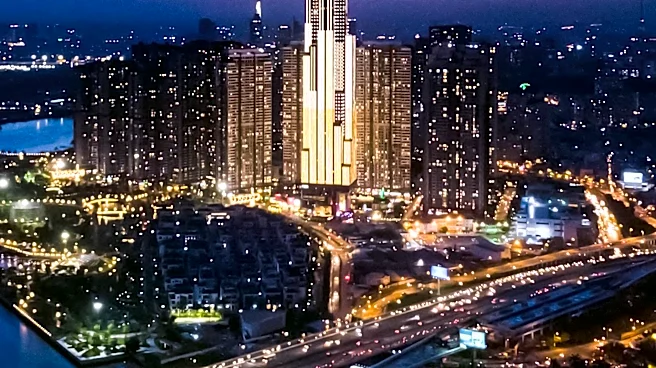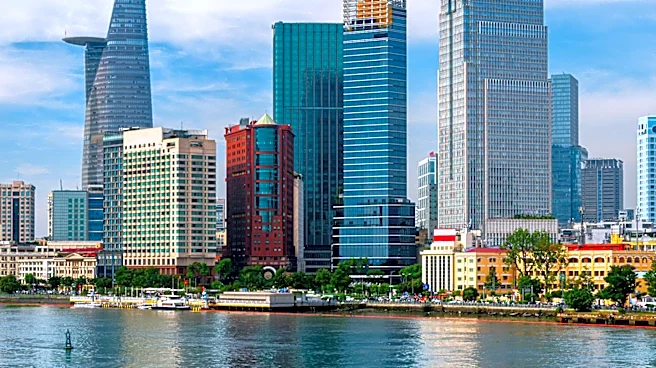







Vietnam's economy has undergone a remarkable transformation over the past few decades. Once heavily reliant on agriculture, the country has shifted towards industrialization and modernization. This article examines the key factors that have driven Vietnam's economic evolution and the challenges and opportunities that lie ahead.
Agricultural Roots
For much of its history, Vietnam's economy was predominantly agricultural, with wet rice cultivation as the mainstay. The
fertile lands of the Red River and Mekong Deltas provided ideal conditions for rice farming, which became a central part of Vietnamese life and culture. Agriculture not only sustained the population but also played a crucial role in the country's early economic development.
However, the agricultural sector faced challenges, including inefficiencies and limited productivity. The collectivization of farms and state control over production during the post-war period further hindered growth. Recognizing the need for change, Vietnam embarked on a series of economic reforms to revitalize its economy.
The Đổi Mới Reforms
In 1986, Vietnam introduced the Đổi Mới (Renovation) reforms, marking a significant shift towards a socialist-oriented market economy. These reforms aimed to transition from a centrally planned economy to one that encouraged private ownership and foreign investment. The government implemented measures to deregulate the economy, promote entrepreneurship, and attract foreign capital.
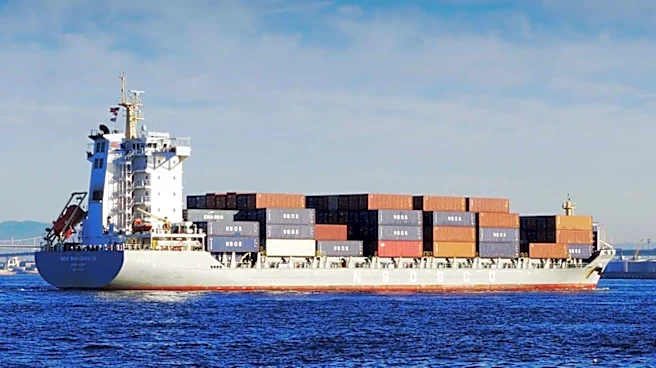
The Đổi Mới reforms had a profound impact on Vietnam's economy, leading to rapid industrial and export growth. The country became a major exporter of agricultural products, such as rice, coffee, and cashew nuts, while also expanding its manufacturing and technology sectors. This diversification helped reduce Vietnam's reliance on agriculture and paved the way for further economic development.
Challenges and Opportunities
Despite its progress, Vietnam faces challenges in sustaining its economic growth. Income disparities and environmental concerns are among the issues that need to be addressed. The government is working to balance economic development with social equity and environmental sustainability.
Looking ahead, Vietnam has the opportunity to further integrate into the global economy. By continuing to invest in infrastructure, education, and technology, the country can enhance its competitiveness and attract more foreign investment. Additionally, Vietnam's strategic location and young, dynamic workforce position it well to capitalize on emerging opportunities in the region.
Vietnam's economic transformation is a testament to the resilience and adaptability of its people. As the country continues to evolve, it remains committed to building a prosperous and sustainable future for all its citizens.