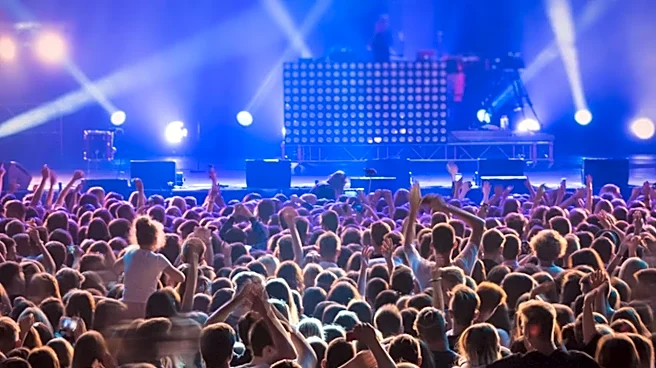



The Concert in Central Park, a monumental live event featuring Simon & Garfunkel on September 19, 1981, was more than just a musical reunion; it was a crucial fundraiser for one of New York City's most beloved green spaces. Attended by over half a million people, this free concert generated significant revenue through merchandising, television rights, and video sales, all dedicated to the much-needed restoration and maintenance of Central Park. This
initiative came at a time when the park, despite its status as a national historic landmark, faced severe deterioration and financial neglect.
A Park in Peril
By the mid-1970s, Central Park, often referred to as the "green lung" of New York City, was in a state of advanced deterioration. Although this 3.41 square kilometer wooded park had been designated a national historic landmark in 1962, the city lacked the financial resources to maintain or restore it. In the early 1980s, an estimated $3,000,000 was needed for its upkeep, a sum the city could not readily provide. This dire situation prompted action, leading to the founding of the non-profit Central Park Conservancy in 1980, which successfully launched fundraising efforts for the park's renovation.
The Concert Concept Takes Shape
The concept of a free outdoor benefit concert to fund Central Park's restoration was proposed by Gordon Davis, the city's parks commissioner, and Ron Delsener, a prominent concert organizer. They were advised by attorney Bob Donnelly. Previous successful concerts by artists like Elton John and James Taylor had demonstrated that such an event could be a viable fundraising model. Davis authorized the project, and Delsener began discussions with HBO, a cable television channel, to determine which artists would be suitable for the event. The goal was to leverage merchandising, television, and video rights to generate the necessary funds.
Simon & Garfunkel: The Perfect Choice
Simon & Garfunkel were ultimately chosen for the concert, a decision that proved to be highly successful. The duo's deep connection to New York City, having grown up and attended school in Forest Hills, Queens, made them particularly resonant with the local audience. Their ability to attract a massive crowd was undeniable, as evidenced by the over 500,000 attendees who gathered on the Great Lawn. The concert was opened by New York City Mayor Ed Koch, setting the stage for a historic performance that would not only entertain but also serve a vital civic purpose.
Lasting Impact on the Park
The concert's financial success played a crucial role in the ongoing efforts to revitalize Central Park. The funds generated contributed directly to the park's reform and maintenance, helping to reverse years of neglect. The event highlighted the community's commitment to preserving this urban oasis and demonstrated the power of cultural events to support public spaces. The live album and film released the following year further amplified the message and continued to generate revenue, ensuring a lasting legacy for both the park and the iconic musical duo.