





The story of Jewish life in New York begins in the mid-17th century with the arrival of pioneering individuals like Jacob Barsimson. He holds the distinction of being one of the earliest Jewish settlers in New Amsterdam, the colonial predecessor to New York City, and is recognized as the first identified Jewish settler within the present-day geographical limits of New York State. His arrival in 1654 marked a pivotal moment, not only for the Jewish community
but also for the broader narrative of religious diversity in the American colonies. Barsimson, an Ashkenazi Jew from Central Europe, arrived at a time when the landscape of Jewish migration was shifting, driven by geopolitical changes in the Dutch colonial empire.
The Impetus for Migration: Seeking New Homes
Jacob Barsimson's journey to New Amsterdam was a direct consequence of significant events unfolding in the Dutch Republic and its colonial territories. He was dispatched by Jewish leaders in Amsterdam to explore the viability of New Amsterdam as a destination for extensive Jewish immigration. This mission gained critical importance with the fall of Dutch Brazil. The Portuguese reconquest of this territory meant that Jews who had found refuge there were once again in search of new homes, fearing the re-establishment of the Inquisition. The urgency of finding alternative settlements made New Amsterdam a potential haven.
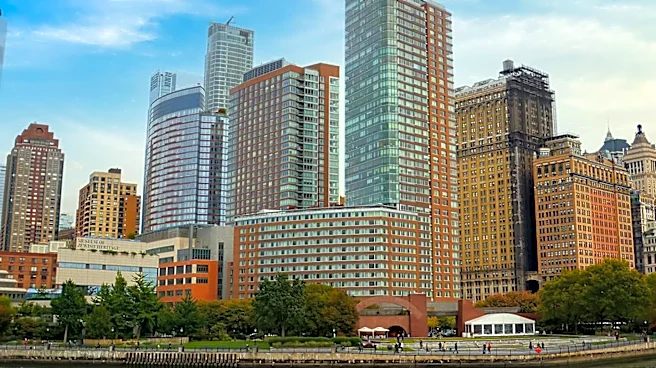
Barsimson embarked from Holland on July 8, 1654, aboard the ship "Pear Tree," reaching New Amsterdam on August 22. His arrival was soon followed by a larger group of 23 Portuguese Jews in early September 1654. This group, comprising four couples, two widows, and thirteen children, had also fled the former Dutch settlement in Brazil after its capture by the Portuguese. They initially attempted to find refuge in Spanish Jamaica and Cuba but were not permitted to remain. Their ship, the Ste. Catherine, eventually brought them to New Amsterdam, where Barsimson reportedly met them at The Battery. This confluence of events and individuals laid the groundwork for the first organized Jewish community in what would become a major center of Jewish life.
Early Challenges and the Fight for Community Rights
The nascent Jewish community in New Amsterdam, despite its origins in a quest for religious freedom, immediately encountered significant obstacles. Governor Peter Stuyvesant harbored strong prejudices against Jews, implementing various discriminatory measures. He prohibited them from serving in the militia and from openly practicing their religion in a synagogue. Stuyvesant's correspondence with the Amsterdam Chamber of Commerce revealed his disdain, where he accused Jews of blasphemy and "deceitful trading," and restricted their ability to acquire land or engage in commerce.
In response to these restrictions, Jacob Barsimson, alongside fellow settler Asser Levy, became a vocal advocate for their community's rights. In November 1655, they petitioned the government of New Netherland, seeking either the right to participate in the colony's guard duty, like other burghers, or exemption from the special monthly tax levied on Jews for not performing such service. Although their initial request was met with a dismissive suggestion that they could leave if they wished, their persistence, and appeals to the Dutch West India Company, eventually led to a reversal of some of Stuyvesant's policies. A notable achievement in 1656 was the successful lobbying for permission to establish a Jewish cemetery, a fundamental right for any religious community. These early struggles, with Barsimson at the forefront, were crucial in securing the basic rights necessary for the Jewish community to thrive and grow in New Amsterdam.