









Chairs have been a staple in human life for centuries, evolving from simple functional objects to intricate works of art. The journey of chair design reflects changes in materials, ergonomics, and cultural influences. This article delves into the historical development of chairs, highlighting key milestones and the transformation of their design over time.
Early Beginnings and Functional Design
The concept of a chair dates back to ancient civilizations, where it served primarily as a functional
piece of furniture. Early chairs were often simple in design, constructed from readily available materials like wood and stone. These early designs focused on providing a basic seating solution, with little attention to comfort or aesthetics.
As societies evolved, so did the design of chairs. The introduction of metal and other durable materials allowed for more complex and sturdy constructions. Chairs began to feature backrests and armrests, enhancing their functionality and comfort. This period marked the beginning of a shift from purely utilitarian designs to more thoughtful and ergonomic considerations.
The Rise of Artistic Expression
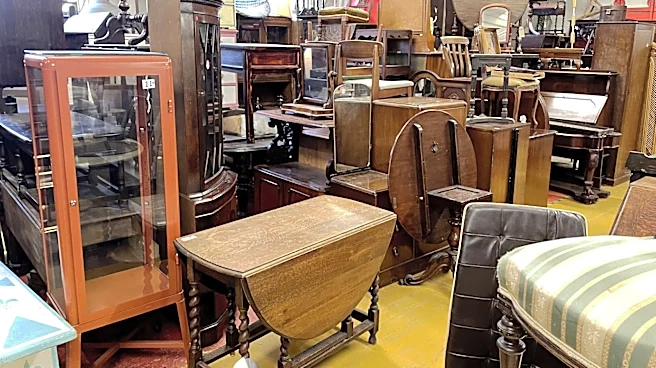
With the advent of the Renaissance, chairs became a canvas for artistic expression. Craftsmen and designers began to incorporate intricate carvings and embellishments, turning chairs into symbols of status and wealth. The use of luxurious materials like mahogany and leather further elevated the chair from a mere functional object to a statement piece.
During this time, the design of chairs also started to reflect cultural influences. Different regions developed their own unique styles, incorporating local motifs and craftsmanship techniques. This era saw the emergence of iconic chair designs that are still celebrated today, such as the ornate Louis XIV chairs and the elegant Chippendale style.
Modern Innovations and Ergonomics
In the 20th century, the focus of chair design shifted towards ergonomics and mass production. The rise of office work and sedentary lifestyles necessitated chairs that could provide comfort and support for extended periods. Designers began to study human anatomy and incorporate adjustable features to accommodate different body types and preferences.
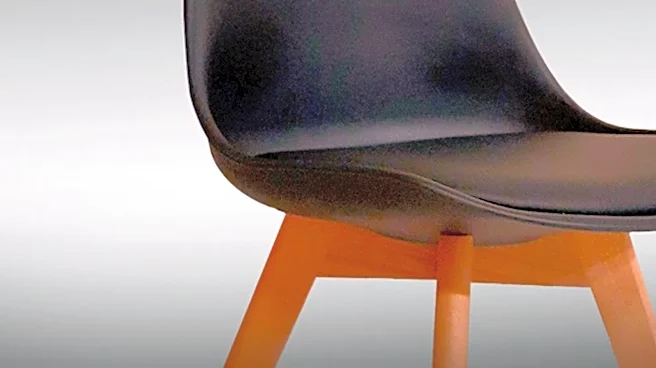
The introduction of new materials like plastic and acrylic revolutionized chair design, allowing for more creative and experimental forms. Chairs became lighter, more versatile, and easier to produce on a large scale. This period also saw the rise of iconic modern designs, such as the Eames Lounge Chair and the Panton Chair, which combined functionality with artistic flair.
Today, chairs continue to evolve, blending traditional craftsmanship with cutting-edge technology. From ergonomic office chairs to avant-garde art pieces, the design of chairs reflects the ever-changing needs and tastes of society. As we look to the future, the chair remains a testament to human ingenuity and creativity.