









Norway's unique geographic features have played a significant role in shaping its economy. Located in Northern Europe, Norway's landscape is characterized by its extensive coastline, natural resources, and strategic location. This article explores how Norway's geography influences its economic activities and contributes to its prosperity.
Geographic Features and Natural Resources
Norway is situated in the northern and western parts of the Scandinavian Peninsula, bordered by the Skagerrak inlet,
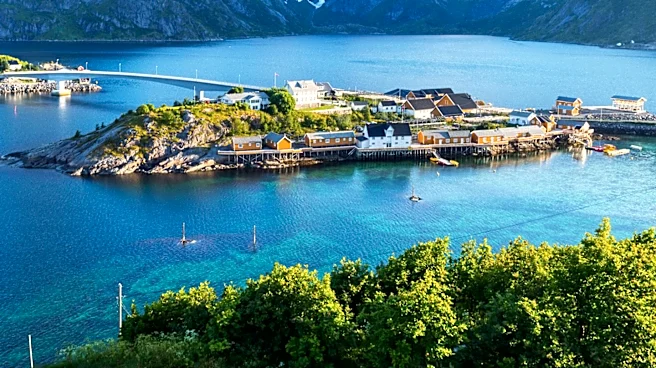
the North Sea, the Norwegian Sea, and the Barents Sea. Its extensive coastline, measuring over 25,000 kilometers, provides access to rich marine resources, making fishing a vital part of the economy.
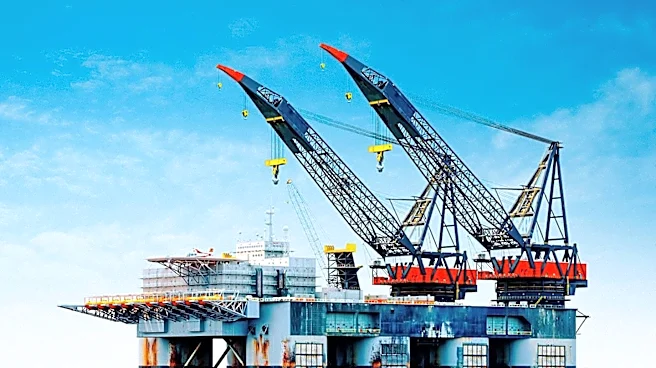
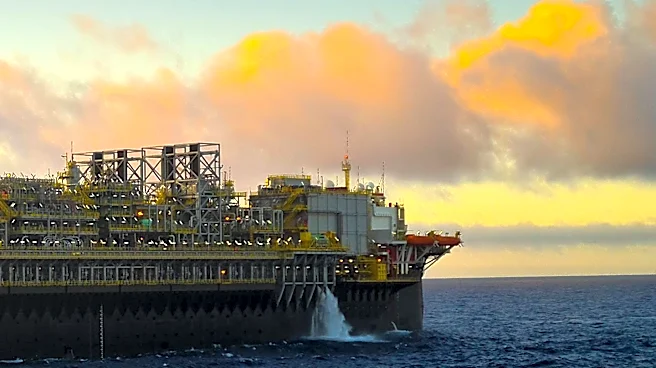
The country's geography is also marked by its abundant natural resources, including oil, natural gas, and hydropower. Norway's exclusive economic zone is one of the largest in Europe, allowing it to exploit these resources effectively. The discovery of oil and gas in the late 1960s significantly boosted Norway's economy, transforming it into one of the wealthiest nations in the world.
Economic Activities and Trade
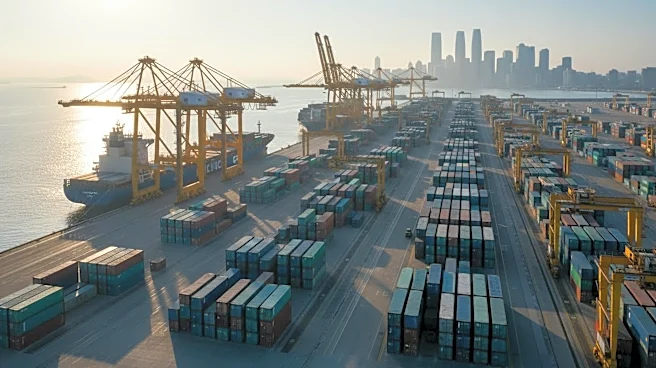
Norway's economy is heavily reliant on its natural resources, with oil and gas exports accounting for a substantial portion of its GDP. The country's strategic location and access to the North Atlantic Ocean facilitate trade with other nations, further enhancing its economic standing.
In addition to oil and gas, Norway's economy benefits from other natural resources such as fish, lumber, and minerals. The country's commitment to sustainable practices ensures that these resources are managed responsibly, contributing to long-term economic stability.
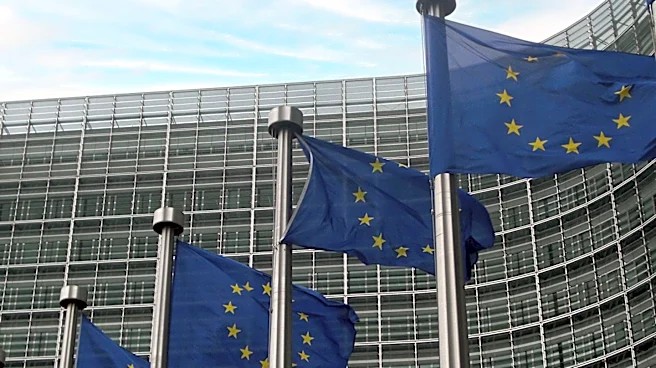
Norway's trade relationships are crucial to its economic success. The country maintains close ties with the European Union and the United States, its major trading partners. This international cooperation allows Norway to leverage its geographic advantages and maintain a strong economic position.
Challenges and Opportunities
While Norway's geography provides numerous economic opportunities, it also presents challenges. The country's reliance on oil and gas makes it vulnerable to fluctuations in global energy markets. To address this, Norway is investing in renewable energy sources and diversifying its economy to reduce dependence on fossil fuels.
The country's geographic location also poses challenges in terms of transportation and infrastructure. Norway's rugged terrain and harsh climate can make it difficult to develop and maintain infrastructure, impacting economic activities. However, advancements in technology and infrastructure development are helping to overcome these challenges.
In conclusion, Norway's geography is a key factor in its economic success. The country's natural resources, strategic location, and commitment to sustainable practices have enabled it to build a prosperous and stable economy. By addressing challenges and leveraging opportunities, Norway continues to thrive in the global economic landscape.