



The 1986 New York Mets season culminated in a memorable World Series victory, marking a significant achievement in the franchise's history. This championship was the result of a powerful roster, strategic management, and a collective drive that saw the team dominate the league. The Mets' success that year was not solely dependent on one or two star players, but rather a cohesive unit that performed exceptionally well, overcoming challenges to secure
the coveted title.
A Dominant Regular Season and Key Players
The 1986 Mets demonstrated their strength throughout the regular season, achieving an impressive 108 wins, which was the best record in Major League Baseball that year. This marked only the second time in the team's history that they had reached the 100-win milestone in a single season. The roster was filled with talent, featuring players who would become household names in baseball. Among them were Mookie Wilson, Kevin Elster, Rafael Santana, Lenny Dykstra, Wally Backman, and Kevin Mitchell.
Key figures like Gary Carter, Tim Teufel, Ron Darling, and Lee Mazzilli also played crucial roles. The pitching staff was formidable, including Dwight Gooden, Bob Ojeda, Rick Aguilera, Doug Sisk, Randy Niemann, Roger McDowell, Jesse Orosco, and Sid Fernandez. Position players such as Keith Hernandez, Darryl Strawberry, Howard Johnson, Ray Knight (who was named World Series MVP), and Danny Heep rounded out a deep and versatile squad. This combination of strong hitters, reliable fielders, and dominant pitchers created a team that was difficult for opponents to contend with.
Managerial Style and Postseason Performance
The team was managed by Davey Johnson, whose approach to leadership was characterized by a hands-off philosophy. Johnson famously stated that he treated his players like men, and as long as they delivered wins on the field, he was not overly concerned with their off-field activities. This managerial style, while perhaps controversial to some, seemed to foster an environment where the players could perform at their best, contributing to their remarkable success.
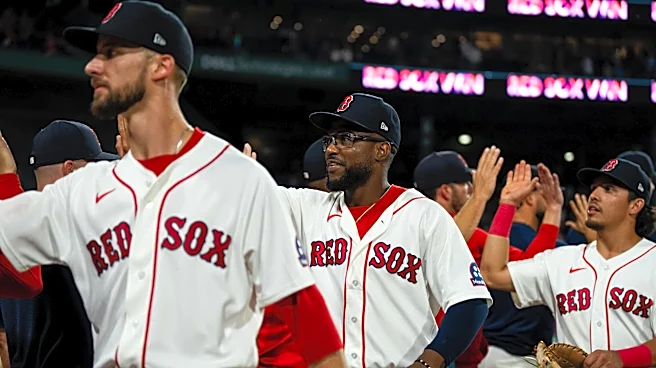
In the postseason, the Mets faced tough competition. In Game 4 of the 1986 National League Championship Series, Sid Fernandez, one of the Mets' pitchers, went head-to-head with Mike Scott of the Houston Astros. Despite Fernandez giving up two home runs and three earned runs, the Mets ultimately recovered to win the series and advance to the World Series. In the World Series against the Boston Red Sox, manager Davey Johnson opted for a three-man rotation, utilizing Fernandez out of the bullpen. Fernandez played a critical role in Game 7, coming in after the Red Sox took an early lead and retiring seven batters in a row, including four strikeouts, which helped shift momentum and allowed the Mets to come back and secure an 8-5 victory, claiming their second World Series crown.