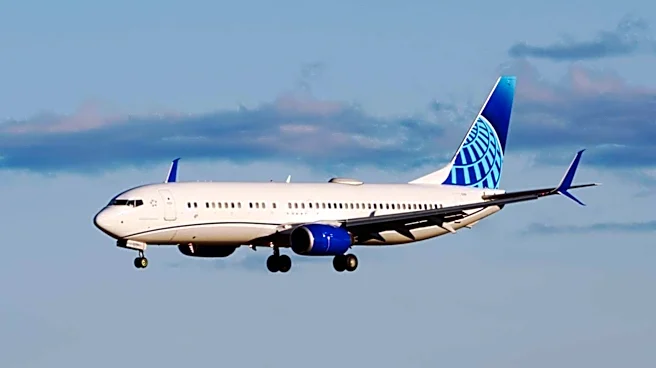




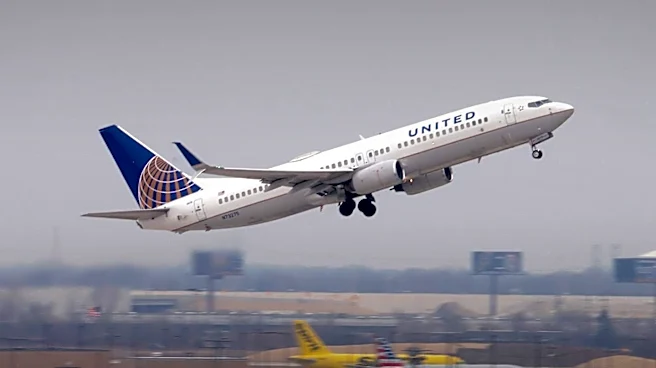



The 1956 Grand Canyon mid-air collision was not only a technological failure but also a tragedy deeply rooted in human factors. The decisions made by the pilots and the limitations of the air traffic control system played crucial roles in the disaster. Understanding these human elements provides insight into how aviation safety has evolved to prioritize human factors in decision-making and training.
Pilot Decisions and Responsibilities
On June 30, 1956, TWA Flight 2 and United Air Lines
Flight 718 collided over the Grand Canyon, resulting in 128 fatalities. Both flights were operating under instrument flight rules (IFR) but entered uncontrolled airspace where pilots were responsible for maintaining separation. TWA's Captain Jack Gandy requested permission to climb to 21,000 feet to avoid thunderheads, a decision that transferred the responsibility for maintaining safe separation to the pilots.
The principle of "see and be seen" was in effect, requiring pilots to visually identify and avoid other aircraft. However, the presence of towering cumulus clouds and the pilots' focus on providing passengers with scenic views of the Grand Canyon may have contributed to the failure to spot each other in time. The CAB investigation noted that preoccupation with cockpit duties and physiological limits to human vision were potential factors in the collision.
Air Traffic Control Limitations
The collision highlighted the inadequacies of the air traffic control system at the time. The air traffic controller who cleared TWA to "1,000 on top" did not advise the pilots of the potential traffic conflict, as neither flight was legally under ATC control in uncontrolled airspace. This lack of communication and advisory information was a significant factor in the accident.
The CAB report emphasized the need for improved air traffic advisory systems and better communication between pilots and controllers. The investigation revealed that the existing system was not equipped to handle the complexities of modern air travel, leading to calls for reform. The human element in air traffic control, including the need for more trained personnel and advanced technology, became a focal point for change.
Lessons Learned and Human Factors in Aviation
The Grand Canyon collision served as a catalyst for incorporating human factors into aviation safety protocols. The tragedy underscored the importance of understanding how human decisions and limitations can impact safety. As a result, training programs began to emphasize the role of human factors in decision-making, situational awareness, and communication.
Today, human factors are a critical component of aviation safety, with ongoing research and training aimed at minimizing human error. The lessons learned from the 1956 collision continue to influence the development of safety protocols and technologies that prioritize the human element in aviation. The disaster remains a poignant reminder of the need to balance technological advancements with an understanding of human capabilities and limitations.