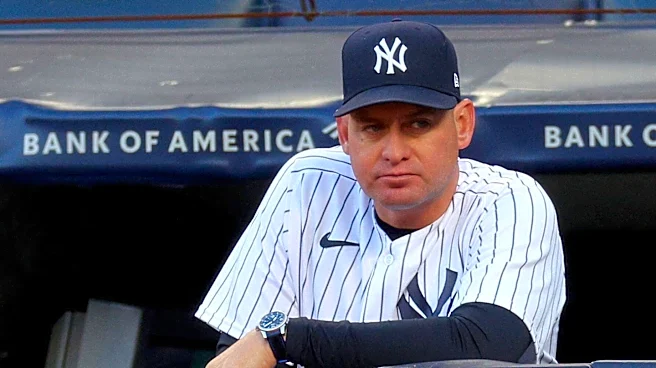




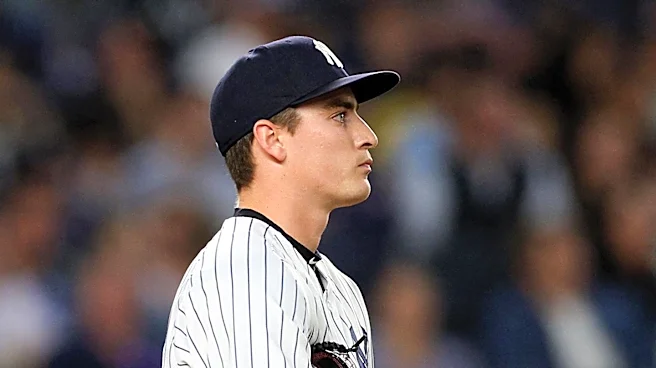

Grady Little's tenure as manager of the Boston Red Sox, particularly the 2003 season, is largely remembered for a single, highly controversial decision made during Game 7 of the American League Championship Series (ALCS) against the New York Yankees. This game, which saw the Red Sox just five outs away from reaching the World Series, culminated in a dramatic Yankees victory and became a focal point of criticism directed at Little. His choice to keep
starting pitcher Pedro Martínez in the game despite a high pitch count and a late-inning Yankees rally sparked a significant debate among fans and analysts alike, ultimately leading to the non-renewal of his contract.
The Setup: A Pennant on the Line
In March 2002, Grady Little was hired as the manager for the Boston Red Sox. He quickly gained popularity among his players, fostering a relaxed clubhouse atmosphere and offering support to those who were struggling. His managerial approach proved successful, as the Red Sox accumulated 188 wins over his two seasons and came very close to securing the pennant in 2003. The team's performance under Little had brought them to the brink of the World Series, setting the stage for the pivotal Game 7 against their archrivals, the New York Yankees.
Game 7 saw the Red Sox holding a 5–2 lead in the eighth inning. With only five outs separating them from a World Series berth, the tension was palpable. However, the Yankees began to mount a comeback. Pedro Martínez, the Red Sox's ace pitcher, gave up two hits, including a double to Derek Jeter and a single that scored him. At this critical juncture, Little visited the mound. Despite Martínez having already thrown 115 pitches, Little made the decision to leave him in the game, a choice that would soon become the subject of intense scrutiny.
The Unraveling: Yankees' Comeback and Martínez's Struggles
Following Little's decision to keep Martínez on the mound, the Yankees continued their rally. Hideki Matsui hit a ground rule double in the very next at-bat, further escalating the pressure. The Yankees then tied the game when Jorge Posada hit a two-run bloop double. This sequence of events erased the Red Sox's three-run lead and shifted the momentum dramatically. The game eventually extended into the 11th inning, where Aaron Boone hit a walk-off home run, securing the pennant for the Yankees and ending the Red Sox's World Series hopes.
In the aftermath of the Red Sox's loss, Grady Little became the target of considerable anger. Critics highlighted that Martínez's earned run average (ERA) nearly tripled when his pitch count exceeded 100. Furthermore, the Red Sox had three well-rested relief pitchers—Alan Embree, Mike Timlin, and Scott Williamson—available in the bullpen, ready to take over in the eighth inning with a three-run lead. The strong performance of the bullpen in relief of Martínez later in the game seemed to underscore the argument that Little's decision was ultimately responsible for the Game 7 outcome.
The Aftermath: A Managerial Change and Lasting Legacy
Supporters of Little argued that his decision to trust Martínez was consistent with the intuitive managerial style that had brought the Red Sox so far in the first place. However, the Red Sox front office ultimately determined that a change was necessary and opted not to renew Little's contract. Sportswriter Rob Neyer, in his analysis of Little's dismissal, contended that Little had disregarded extensive data indicating Martínez's diminished effectiveness after 105-110 pitches, suggesting that Little "didn't make the decision he'd been told to make" by team management.
Little was replaced by Terry Francona, who would go on to manage the Red Sox from 2004 to 2011, leading them to World Series titles in 2004 and 2007. The 2003 ALCS Game 7 loss, and Little's role in it, became intertwined with the "Curse of the Bambino," a narrative that had long plagued the Red Sox. The incident even led to a planned giveaway of Grady Little bobble arm dolls by the independent minor-league Brockton Rox, designed to simulate a manager's call to the bullpen and display the date of the fateful game. Little objected to the use of his likeness, but an agreement was reached for the dolls to be sold, with proceeds benefiting the Professional Baseball Scouting Foundation, providing relief to retired scouts in financial peril. This event solidified the game's place in Red Sox lore and Little's controversial legacy.