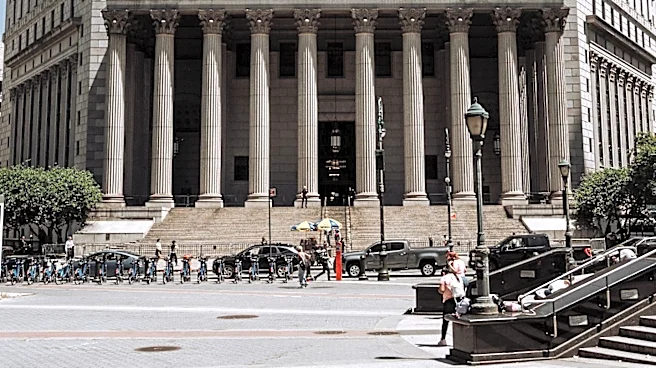







The New York Public Library (NYPL) is not merely a system of branches and collections; it is a prominent fixture in the cultural and architectural landscape of New York City and beyond. Its flagship branch, the Stephen A. Schwarzman Building on Fifth Avenue, is an official national and city landmark, instantly recognizable and deeply embedded in the public consciousness. This iconic status is reflected not only in its physical grandeur but also in its frequent
appearances across various forms of popular culture, solidifying its image as a symbol of knowledge and urban sophistication.
Architectural Grandeur and Landmark Status
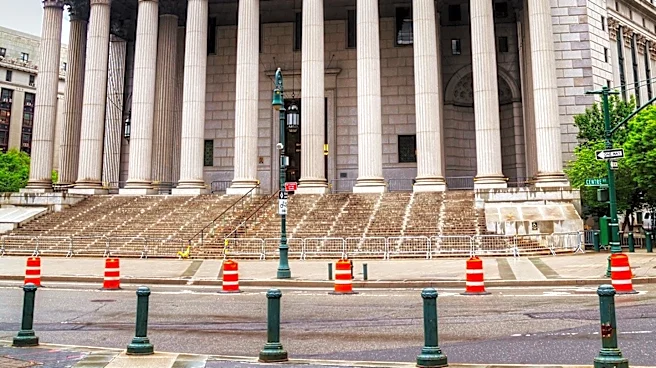
The Stephen A. Schwarzman Building, often referred to as the Main Branch, is a masterpiece of Beaux-Arts architecture. Constructed after the New York Public Library was formed through the combination of two earlier libraries in the late 1890s, the building was designed by the architectural firm Carrère and Hastings. It officially opened its doors on May 23, 1911. Its imposing facade, intricate detailing, and majestic interior spaces have earned it significant recognition. The building has been declared a National Historic Landmark, a site on the National Register of Historic Places, and a New York City designated landmark, underscoring its importance in American architectural and cultural heritage.
Beyond the main branch, the NYPL system includes numerous other architecturally significant buildings. For instance, the 115th Street Library and the 125th Street Library were both designed by the renowned firm McKim, Mead & White, opening in 1907 and 1904, respectively. Many other branches, such as the 67th Street Library and the 96th Street Library, were constructed with funds provided by Andrew Carnegie and designed by firms like Babb, Cook, & Willard, often built to resemble existing successful library models. These architectural choices contributed to a sense of uniformity and civic pride across the growing library system, making these buildings not just functional spaces but also integral parts of their neighborhoods.
A Recurring Presence in Popular Culture
The New York Public Library's distinctive appearance and cultural significance have made it a popular setting and reference point in various media. Its flagship branch, in particular, has been featured numerous times. For example, a replica of the New York Public Library Main Branch can be found in Universal Studios Florida and Universal Studios Singapore, demonstrating its global recognition as an architectural landmark. In film, the NYPL has played diverse roles, from a rubble remnant in a post-apocalyptic war in the 2013 film *Oblivion* starring Tom Cruise, to a setting for a fight scene in *John Wick: Chapter 3 - Parabellum* (2019) between John Wick and Ernest.
The library's presence extends to television and literature as well. It is the subject of the Frederick Wiseman documentary film *Ex Libris – The New York Public Library*. The animated series *Futurama* features Fry confronting a giant brain at the NYPL in the episode "The Day the Earth Stood Stupid." The *Seinfeld* episode "The Library" famously depicts Cosmo Kramer dating an NYPL librarian, Jerry Seinfeld being accosted by a library cop for late fees, and George Costanza encountering his high school gym teacher living homeless on its steps. The library also served as the inspiration for the Busterfield Library in *Between the Lions* and was the setting for much of "The Persistence of Memory," the eleventh part of Carl Sagan's *Cosmos* TV series. These portrayals highlight the library's deep integration into the fabric of American storytelling and its enduring appeal as a symbol of knowledge, history, and urban life.