






In the late 19th century, the astronomical community was abuzz with discoveries that expanded our understanding of the solar system. Among these was the discovery of Mars' two moons, Phobos and Deimos, by American astronomer Asaph Hall in August 1877. These moons, named after mythological figures associated with fear and terror, have intrigued scientists ever since their discovery.
The Historical Context
The discovery of Phobos and Deimos came at a time when astronomers
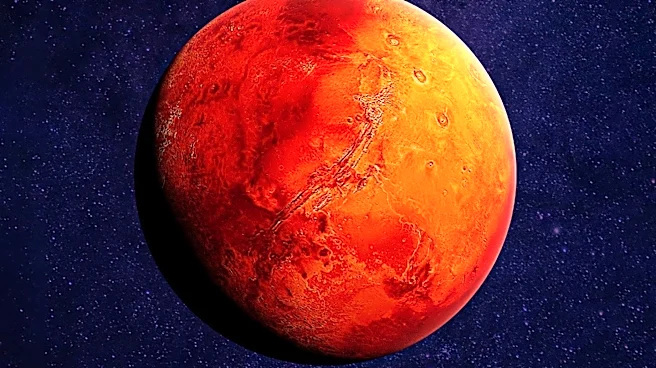
were actively searching for celestial bodies beyond Earth. The moons of Jupiter had already been discovered, sparking speculation about the possibility of moons orbiting Mars. Asaph Hall's discovery was a significant milestone, as it confirmed the existence of natural satellites around Mars, a planet that had long been the subject of scientific curiosity.
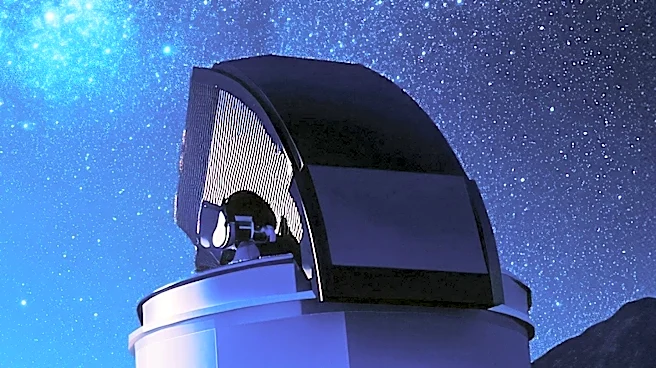
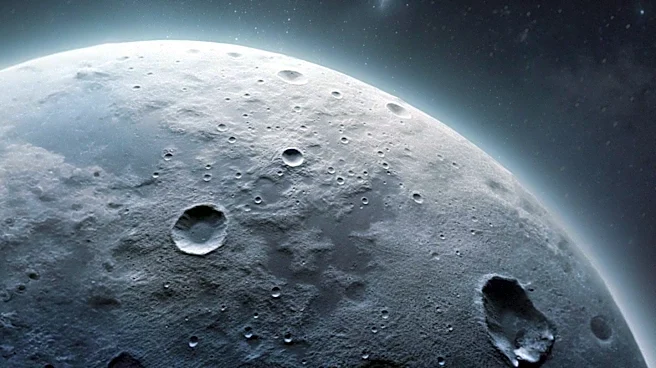
Hall's discovery was not just a matter of chance; it was the result of careful observation and dedication. Using the United States Naval Observatory's 26-inch refractor telescope, Hall was able to identify the two moons, which are much smaller and irregularly shaped compared to Earth's Moon. This discovery added to the growing body of knowledge about the solar system and opened new avenues for research into planetary satellites.
Naming the Moons
The names Phobos and Deimos are derived from Greek mythology, where they are depicted as the twin sons of Ares, the god of war. In Roman mythology, Ares is known as Mars, which is fitting given the moons' association with the planet. Phobos represents fear and panic, while Deimos symbolizes terror and dread. These names reflect the moons' mysterious and somewhat ominous presence in the Martian sky.
The choice of names also highlights the cultural impact of mythology on scientific nomenclature. By naming the moons after mythological figures, Hall and his contemporaries were able to connect their scientific discoveries to the rich tapestry of human storytelling and symbolism.
The Legacy of Hall's Discovery
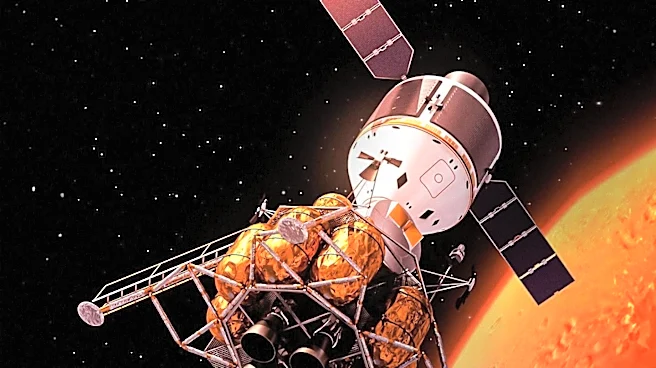
Asaph Hall's discovery of Phobos and Deimos has had a lasting impact on the field of astronomy. It paved the way for further exploration of Mars and its moons, leading to a deeper understanding of their composition and origins. The discovery also inspired future missions to Mars, including upcoming sample return missions aimed at uncovering more about Phobos.
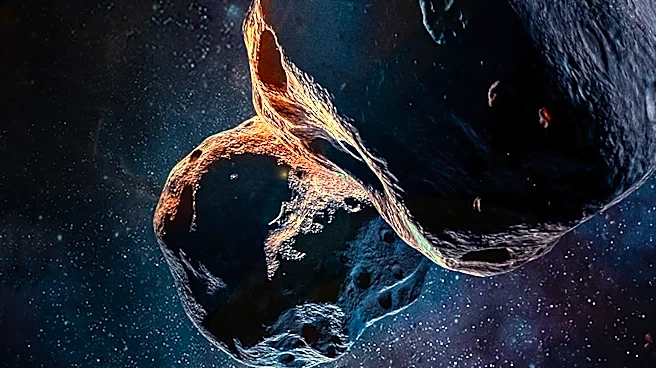
Today, Phobos and Deimos continue to be subjects of scientific study, with researchers exploring their potential origins as captured asteroids or remnants of a giant impact event. Hall's work remains a testament to the power of observation and the enduring quest for knowledge about our solar system.