




The 1976 United States presidential debates were not only significant for their return after a 16-year hiatus but also for their technical innovations and the challenges they presented in live broadcasting. The first debate, held on September 23, 1976, between President Gerald Ford and former Governor Jimmy Carter, marked a notable milestone as the first presidential debate to be televised in color. This advancement offered a new dimension to political
communication, allowing a more vivid and engaging experience for the American viewing public. The debates were a complex undertaking, requiring coordination of live broadcast technology to reach a national audience, and they demonstrated both the potential and the pitfalls of such ambitious live events.
The Dawn of Color Television for Presidential Debates
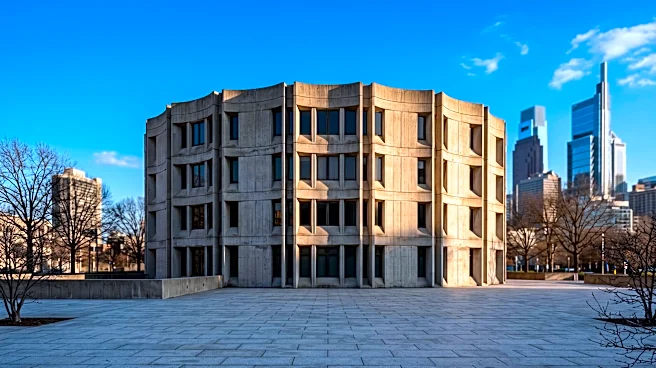
Prior to 1976, presidential debates had been broadcast, but the September 23 encounter ushered in the era of color television for these high-stakes political discussions. This shift from black and white to color television was a significant development in media, enhancing the visual presentation of the candidates and the debate environment. For the first time, viewers could see the true colors of the stage, the candidates' attire, and the overall atmosphere of the Walnut Street Theater in Philadelphia. This visual richness likely contributed to a more immersive experience for the audience, potentially influencing how they perceived the candidates and their performances.
An Unforeseen Interruption: The Sound Glitch
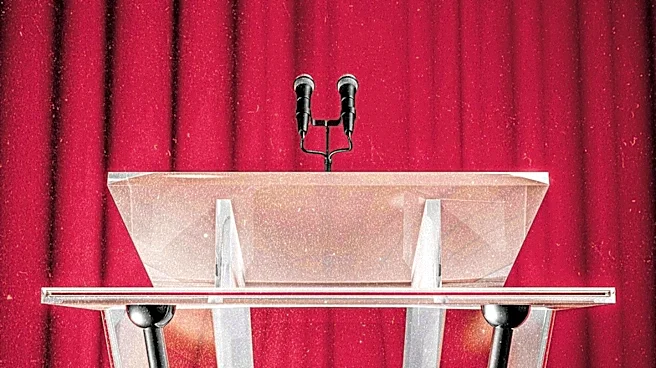
Despite the technological advancements, the live broadcast of the first presidential debate encountered a major technical difficulty. Eighty-one minutes into the scheduled 90-minute debate, the sound abruptly failed. This unexpected loss of audio brought the entire debate to a halt, creating a moment of uncertainty for both the candidates and the millions of viewers watching nationwide. The broadcast was paused, and the debate was suspended for a considerable 27 minutes while technicians worked diligently to identify and rectify the problem. This lengthy interruption highlighted the inherent risks and complexities of live television production, especially for an event of such national importance.
Resumption and the Broader Broadcast Schedule
Fortunately, the technical team was successful in resolving the sound issue, allowing the debate to resume and conclude as planned. The ability to fix the problem and continue the broadcast ensured that the American public could witness the full exchange between President Ford and Governor Carter. This incident, while disruptive, ultimately demonstrated the resilience of broadcast technology and the commitment to delivering these crucial political events. The 1976 series included three presidential debates and one vice-presidential debate, all of which relied on live television broadcasting to connect candidates with voters across the country, making the successful resolution of technical issues paramount for the integrity of the democratic process.