





The American Broadcasting Company (ABC) embarked on its journey into children's programming in August 1950, marking a significant moment in the history of television. The network's initial foray into this genre began with the debut of two Saturday morning shows, "Acrobat Ranch" and "Animal Clinic." These early programs laid the groundwork for what would become a long-standing tradition of children's entertainment and educational content on ABC, evolving
significantly over the subsequent decades to adapt to changing audience preferences and industry standards.
Pioneering Saturday Morning Entertainment
From its very beginning, ABC established Saturday mornings as the primary slot for its children's programming. This scheduling decision would become a hallmark of children's television across networks for many years. "Acrobat Ranch" and "Animal Clinic" were the first offerings, setting a precedent for the types of shows that would populate these weekend blocks. The network's commitment to this time slot meant that generations of American children would associate Saturday mornings with a dedicated lineup of shows tailored just for them.
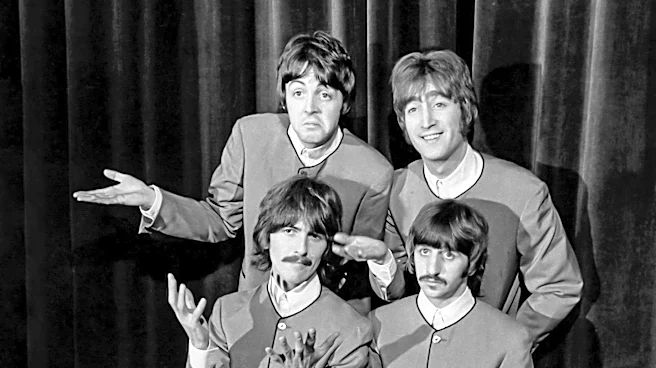
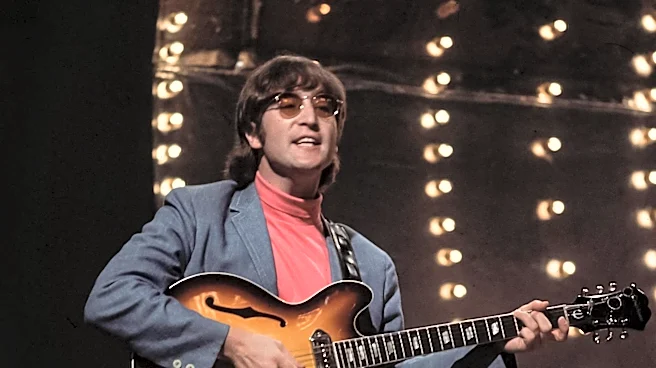
Beyond these initial programs, ABC's early years saw a variety of content. For instance, "American Bandstand" aired from 1957 to 1987, though not exclusively a children's show, it certainly captured a young audience. Other notable early programs included "Annie Oakley" (1964–1965), which featured reruns of a primetime series, and animated favorites like "Beany and Cecil" (1962–1968) and "The Beatles" (1965–1969). These shows illustrate the diverse range of content ABC offered to its younger viewers, from live-action adventures to popular animated series.
Educational Initiatives and Interstitial Shorts
ABC also made significant contributions to educational children's programming, most notably with the "Schoolhouse Rock!" series. From 1973 to 1985, these award-winning educational shorts were aired as interstitials, short segments placed between longer programs. "Schoolhouse Rock!" ingeniously combined original songs and animation to teach children about fundamental school subjects such as mathematics, science, and history. Its popularity led to its return to ABC's Saturday morning schedule in 1992, and a fifth season was produced between 1994 and 1996, demonstrating its enduring appeal and educational value.
"Schoolhouse Rock!" was not the only educational interstitial series on ABC during this period. Other animated shorts, such as "Time for Timer" and "The Bod Squad," also aimed to educate and entertain young audiences. While these other series were eventually discontinued in the 1980s, they highlight ABC's broader commitment to incorporating educational content into its children's programming lineup, recognizing the potential of television as a learning tool.
Navigating Ratings and Shifting Strategies
By the mid-1980s, ABC faced challenges in its children's programming strategy. In 1986, the network attempted to reorient its program block towards younger audiences with lighter fare, including shows like "Little Clowns of Happytown" and "The Care Bears Family." This shift was heavily influenced by the consulting firm Q5, which reportedly sanitized scripts to align with this new direction. However, this strategy did not yield the desired results.
By 1988, ABC's Saturday morning ratings had plummeted to a distant third place. Network executives attributed this decline to the newly introduced people meter, an audience measurement tool they believed young children were not capable of operating accurately. In response to this ratings crash, ABC drastically altered its approach, eliminating almost all preschool programming. Instead, the network focused on shows that could appeal to a broader family audience, successfully reviving franchises like "The New Adventures of Winnie the Pooh" and "A Pup Named Scooby-Doo," demonstrating a strategic pivot to regain viewership.
Innovation in Programming Blocks
At the beginning of the 1991–92 season, executive producer Jim Janicek introduced an innovative concept to Saturday mornings: hosted programming blocks. Drawing inspiration from his successful implementation of the TGIF block in the Friday night time slot, Janicek launched "More Cool TV." This block featured stars from live-action series that were part of the Saturday morning lineup, most notably the cast of ABC's "Land of the Lost" revival. These stars hosted interstitial segments every half-hour during the block, adding a dynamic and engaging element to the programming.
Further enhancing the Saturday morning experience, from 1992 to 1995, short 30-second segments branded as "America's Funniest Kids" were integrated into commercial breaks. These segments, often excerpts from "America's Funniest People," typically showcased young children telling jokes or performing stunts. This creative use of short-form content and hosted segments illustrates ABC's continuous efforts to innovate and capture the attention of its young audience throughout its early programming era.