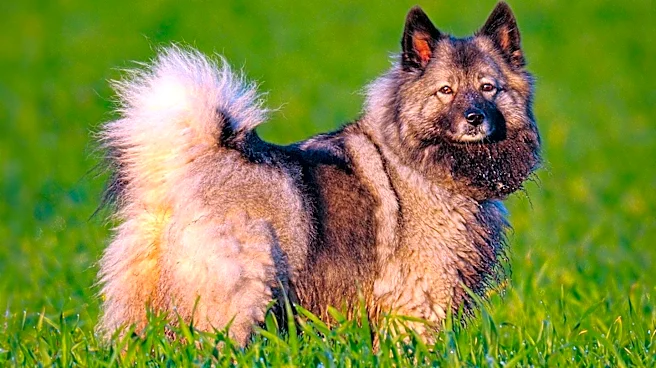








The Norwegian Buhund is a breed with a rich history of versatility and utility. Originating from Norway, this spitz-type dog has been used for various purposes, including herding, guarding, and even hunting. Its adaptability and intelligence have made it a valuable companion for farmers and families alike throughout history.
Origins and Early Roles
The Norwegian Buhund's history can be traced back to ancient times, with its ancestors' remains found in Viking graves dating
back over a thousand years. The breed's name, derived from the Norwegian word "bu," meaning farm or homestead, reflects its traditional role as a farm dog. Historically, Buhunds were used to guard homes and livestock, protecting them from predators and intruders.
In addition to their guarding duties, Buhunds were also employed as herding dogs. Their intelligence and agility made them well-suited for managing livestock, such as sheep and cattle. This versatility in roles highlights the breed's adaptability and usefulness in various settings.
Modern Uses and Adaptations
Today, the Norwegian Buhund continues to be a versatile breed, finding new roles in modern society. While they are still used as herding dogs in some areas, their intelligence and trainability have led to their involvement in other fields. Buhunds have been employed in police work and as assistance dogs for individuals with hearing impairments.
The breed's agility and eagerness to learn make them excellent candidates for dog sports, such as agility and obedience competitions. Their ability to adapt to different tasks and environments showcases their enduring utility and appeal.
A Beloved Family Companion
Beyond their working roles, Norwegian Buhunds have become cherished family pets. Their friendly and affectionate nature makes them well-suited for family life, where they can form strong bonds with their owners. However, their high energy levels and need for mental stimulation mean they require active and engaged families to thrive.
The Buhund's protective instincts and loyalty make them excellent watchdogs, although they may be wary of strangers. With proper training and socialization, they can be well-mannered and loving companions. Their historical roles as versatile working dogs have translated into a breed that is both capable and affectionate, making them a popular choice for families seeking an active and intelligent pet.
In summary, the Norwegian Buhund's history of utility and adaptability has made it a beloved breed both in its native Norway and around the world. Its ability to perform various roles and its affectionate nature ensure its continued popularity as a versatile and loyal companion.