






The 1980 Damascus Titan missile explosion was not merely a technical failure; it was a human drama unfolding under immense pressure, involving the courage and ultimate sacrifice of U.S. Air Force personnel. The incident, which began with a seemingly minor accident, quickly escalated into a life-threatening situation, forcing individuals to make critical decisions in a highly volatile environment. The actions of the airmen involved, from the initial
response to the final moments before the explosion, highlight the human cost and the inherent dangers faced by those tasked with managing nuclear weapons systems.
The Initial Response and Perilous Entry
The crisis at Missile Complex 374-7 began when an airman accidentally dropped a socket wrench, puncturing the first stage fuel tank of a Titan II missile. This initiated a leak of highly toxic and corrosive hypergolic fuel. The immediate evacuation of the launch control center signaled the gravity of the situation, and emergency response teams, comprising both military and civilian personnel, were dispatched. However, the on-site command team had been evacuated, leaving no one to electronically unlock the entry gate or open the portal entry door for the incoming responders.
In the early hours of September 19, Senior Airmen John "Greg" Devlin and Rex Hukle were the first to enter the silo complex. Their task was daunting: they had to cut through a security fence with bolt cutters, then force open a steel-framed portal door and another locked, caged-in area. Descending 35 feet, they reached blast door #6, aiming to access the Vapor Detector Annunciator Panel. Despite their efforts to retract a locking pin, their breathing air in their Rocket Fuel Handler Clothing Outfits (RFHCO) suits began to run low, forcing them to retreat. Their mission underscored the extreme physical and environmental challenges faced by those attempting to mitigate the unfolding disaster.
The Ultimate Sacrifice and Lingering Questions
Devlin and Hukle were relieved by Senior Airman David Lee Livingston and Sergeant Jeff K. Kennedy. These new responders, finding the security gate and portal doors already open, proceeded to Door #6. However, their vapor detectors immediately indicated an explosive atmosphere, prompting an order for them to evacuate. Despite this clear warning, the team was subsequently ordered to reenter the silo to turn on an exhaust fan, a decision that would prove fatal.
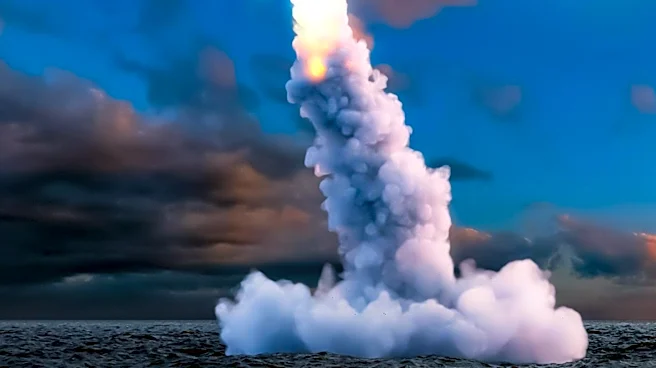
Senior Airman Livingston reentered the silo to carry out this order. Shortly thereafter, at approximately 3:00 a.m., the hypergolic fuel exploded, likely due to arcing in the exhaust fan. The blast was catastrophic, killing Senior Airman David Lee Livingston and injuring 21 other personnel, all members of the emergency response team from Little Rock Air Force Base. Livingston's death stands as a stark reminder of the ultimate sacrifice made in the line of duty during this perilous incident. The event, classified as a "Broken Arrow," highlighted not only the technical dangers but also the critical human decisions and the bravery of those who faced the immediate threat of a nuclear weapons accident.