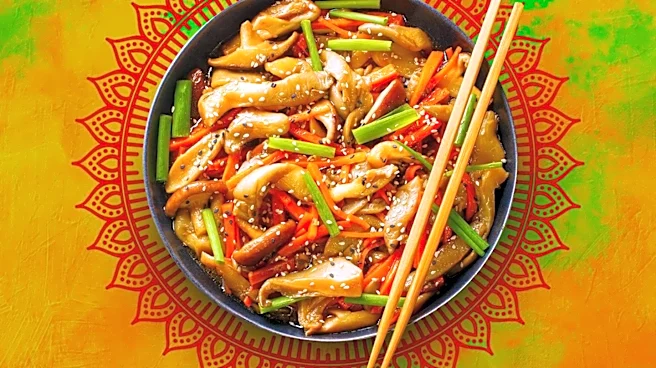











Chinese cuisine is renowned for its diversity, with each region offering its own unique flavors and cooking techniques. This diversity is shaped by factors such as geography, climate, and cultural influences. From the spicy dishes of Sichuan to the delicate flavors of Guangdong, Chinese regional cuisines offer a rich tapestry of tastes and textures that reflect the country's vast and varied landscape.
Sichuan Cuisine: A Symphony of Spices
Sichuan cuisine, originating from the Sichuan Province
in southwestern China, is famous for its bold and spicy flavors. The liberal use of garlic, chili peppers, and the unique Sichuan peppercorn creates a distinctive mouth-numbing sensation that is a hallmark of this cuisine. Dishes like Shuizhu, a traditional Sichuan dish with beef, showcase the region's penchant for spicy and flavorful food. The cuisine also incorporates ingredients like peanuts, sesame paste, and ginger, adding depth and complexity to its dishes.
Sichuan cuisine's emphasis on bold flavors is not just about heat; it's about creating a balance of spicy, sweet, sour, and salty tastes. This balance is achieved through careful seasoning and the use of various cooking techniques, such as stir-frying and steaming. The result is a cuisine that is both exciting and satisfying, offering a sensory experience that is hard to forget.
Guangdong Cuisine: Delicate and Refined
In contrast to the bold flavors of Sichuan, Guangdong cuisine, also known as Cantonese cuisine, is known for its delicate and refined taste. This regional cuisine emphasizes the natural flavors of ingredients, often using minimal seasoning to let the freshness of the food shine through. Dim sum, a popular Cantonese tradition, exemplifies this approach with its small, bite-sized portions that allow diners to savor a variety of flavors in one meal.
Guangdong cuisine is also characterized by its use of fresh seafood, which is abundant in the region. Dishes are often steamed or stir-fried to preserve the natural sweetness of the seafood. The cuisine's emphasis on freshness and simplicity makes it a favorite among those who appreciate subtle and nuanced flavors.
The Eight Great Traditions
Chinese cuisine is often categorized into the Eight Great Traditions, which include Anhui, Fujian, Hunan, Jiangsu, Shandong, Sichuan, Zhejiang, and Guangdong cuisines. Each of these traditions has its own unique characteristics, shaped by the local ingredients and cultural influences of their respective regions. For example, Jiangsu cuisine is known for its braising and stewing techniques, while Hunan cuisine is famous for its hot and spicy flavors.
These regional cuisines not only reflect the diversity of China's culinary landscape but also its rich cultural heritage. By exploring the distinct flavors and cooking styles of each region, one can gain a deeper appreciation for the complexity and artistry of Chinese cuisine.