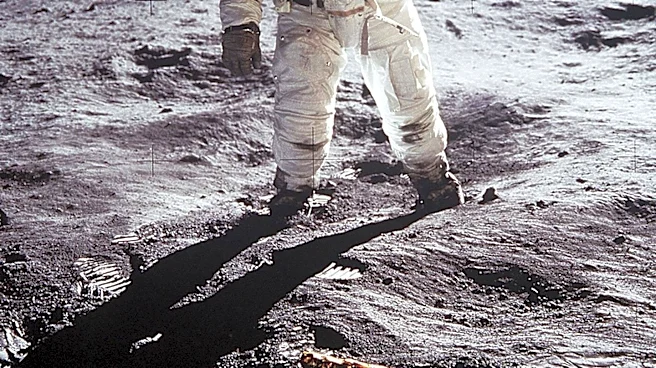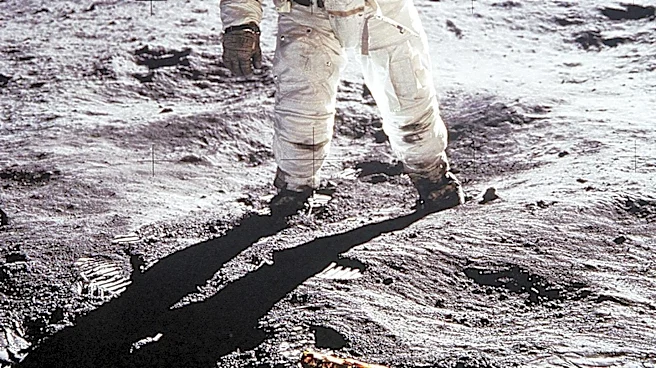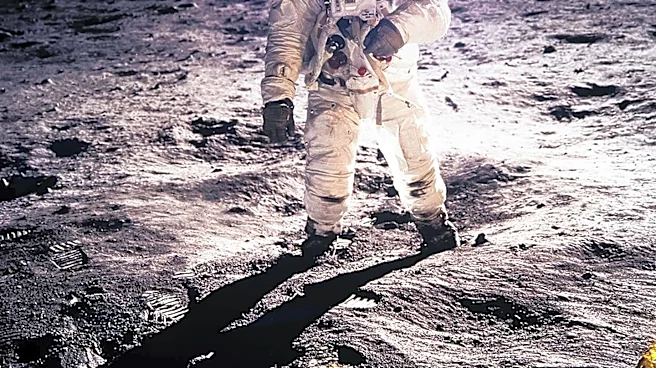







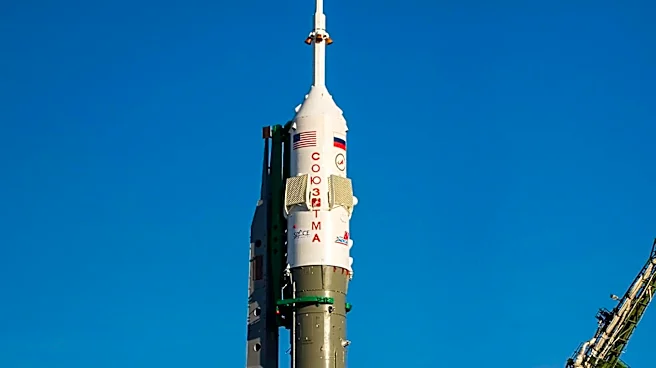



Apollo 11 was not just a scientific and technological triumph; it was also a significant event in the context of the Cold War. The mission symbolized the United States' victory in the Space Race, a competition with the Soviet Union that was deeply rooted in geopolitical rivalry. This race to the Moon was about more than just exploration; it was a demonstration of national prowess and technological superiority.
The Cold War Context
The Space Race began in the late 1950s,
during a period of intense rivalry between the United States and the Soviet Union. The launch of Sputnik 1 by the Soviet Union in 1957 had shocked the world and challenged American claims of technological superiority. In response, the United States accelerated its space program, leading to the development of the Apollo program.
President John F. Kennedy's challenge to land a man on the Moon and return him safely to Earth before the end of the 1960s was a direct response to the Soviet Union's early achievements in space. This goal was not only about scientific exploration but also about demonstrating the United States' capability to achieve what was then considered impossible.
Achieving the Impossible
Apollo 11's successful landing on the Moon on July 20, 1969, was a pivotal moment in the Space Race. The mission demonstrated the United States' technological and organizational capabilities, as well as its commitment to achieving ambitious goals. The Saturn V rocket, which launched Apollo 11, was a testament to American engineering and innovation.
While the Soviet Union had made significant strides in space exploration, including the first human in space, they were unable to match the United States' achievement of landing humans on the Moon. The failure of the Soviet lunar probe Luna 15, which crashed on the Moon while Apollo 11 was still on the surface, underscored the United States' victory in this aspect of the Space Race.
Legacy of Apollo 11
The success of Apollo 11 had a lasting impact on the United States' position in the world. It reinforced the country's image as a leader in science and technology and demonstrated the potential for peaceful cooperation in space exploration. The mission also inspired future generations to pursue careers in science, technology, engineering, and mathematics.
Apollo 11 remains a symbol of what can be achieved through determination, innovation, and international collaboration. It marked the culmination of a decade-long effort to achieve a seemingly impossible goal and left a legacy that continues to inspire exploration and discovery.