








Phoenix, Arizona, is renowned for its blistering summer heat, a defining characteristic of its hot desert climate. As the largest city in the Americas within this climatic zone, Phoenix experiences some of the highest temperatures of any major city in the United States. This article delves into the extreme summer conditions in Phoenix, examining the factors that contribute to its intense heat and the implications for residents and the environment.
Summer Temperature Extremes
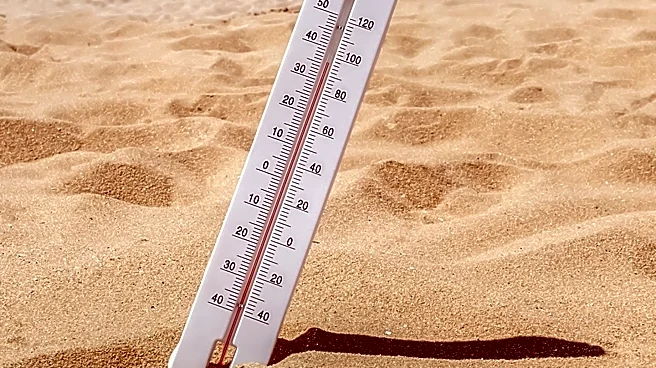
Phoenix's summers are marked by long stretches of extremely high temperatures. On average, the city experiences 111 days annually with temperatures reaching at least 100°F, primarily from late May through September. The intensity of the heat is further underscored by the fact that highs exceed 110°F on an average of 21 days each year. The record high temperature in Phoenix was a staggering 122°F, recorded on June 26, 1990.
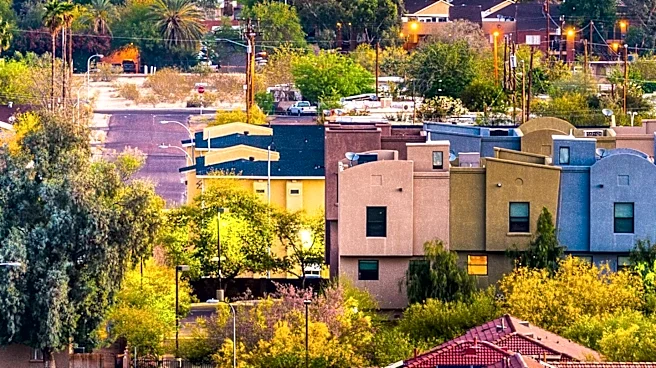
The urban heat island effect exacerbates these already high temperatures. As Phoenix has expanded, the heat retained by pavement, sidewalks, and buildings has contributed to rising average summer low temperatures. This effect limits the diurnal temperature variation typically seen in desert locations, resulting in warmer nights. For instance, the daily normal low remains at or above 80°F for an average of 74 days each summer.
Impact on Daily Life
The extreme summer heat in Phoenix has significant implications for daily life. Residents must adapt to the high temperatures, often relying on air conditioning to maintain comfort indoors. Outdoor activities are typically limited to early morning or late evening hours to avoid the peak heat of the day. The heat also poses health risks, particularly for vulnerable populations such as the elderly and those with pre-existing health conditions.
Moreover, the heat affects infrastructure and energy consumption. The demand for electricity spikes during the summer months as air conditioning units work overtime to cool homes and businesses. This increased energy usage can strain the power grid and lead to higher utility bills for residents.
Environmental Considerations
Phoenix's extreme summer temperatures also have environmental consequences. The heat contributes to high levels of ozone pollution, with vehicle emissions acting as precursors to ozone formation. Additionally, the city faces challenges with particulate pollution, including PM2.5 and PM10 particles, which can reach concerning levels and pose health risks.
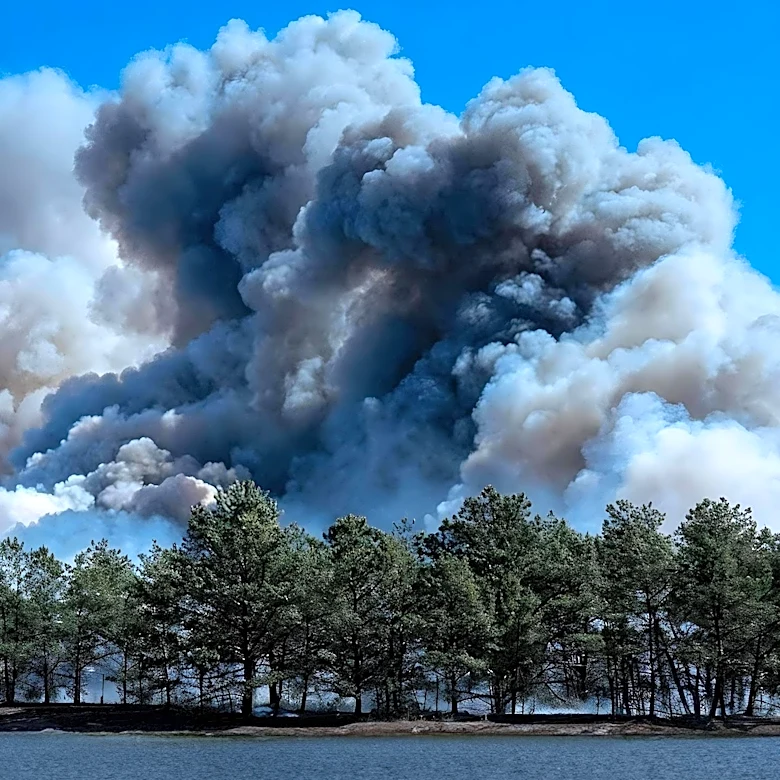
The heat and pollution are compounded by the risk of wildfires, particularly in dry spring and summer months following wet winters. The presence of invasive species like buffelgrass increases the likelihood of fires, which threaten the local desert ecosystem. As Phoenix continues to grow, addressing these environmental challenges becomes increasingly important.