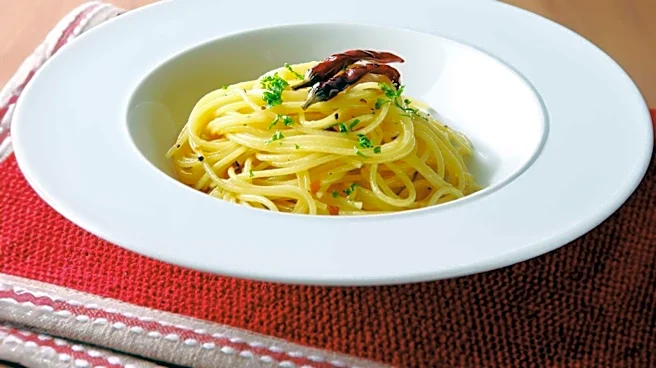







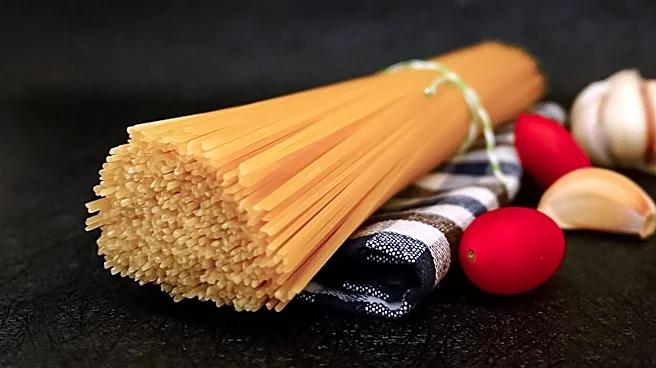


Spaghetti alla Carbonara is a beloved Italian pasta dish with a rich history that traces back to the Lazio region of Italy. Known for its creamy texture and savory flavor, this dish has become a staple in Italian cuisine. However, its origins and evolution are as intriguing as the dish itself. This article delves into the historical development of Spaghetti alla Carbonara, exploring its roots and how it became the iconic dish we know today.
Early Beginnings
The exact
origins of Spaghetti alla Carbonara are somewhat obscure, with various theories about how it came to be. The dish, as we know it today, took its modern form and name in the mid-20th century. Before World War II, the names pasta alla carbonara and spaghetti alla carbonara were not recorded, and the dish was notably absent from Ada Boni's 1930 cookbook, *La cucina romana*. This absence suggests that the dish was not yet a recognized part of Roman cuisine at that time.
Interestingly, a precursor to carbonara can be found in a 1931 edition of the Guide of Italy, which describes a pasta dish from Umbria. This dish included whipped eggs, sausage, and pork fat and lean, but notably lacked cheese. This early version hints at the evolving nature of pasta dishes in Italy, where ingredients and techniques were adapted over time.
Post-War Popularity
The popularity of Spaghetti alla Carbonara surged after World War II, particularly following the Allied liberation of Rome in 1944. During this period, American and British soldiers stationed in Italy were introduced to local culinary traditions. The abundance of ingredients like bacon and cheese, brought by the Allied forces, played a significant role in the dish's development.
According to some accounts, a young Italian Army cook named Renato Gualandi created a version of the dish in 1944 for a dinner with U.S. Army personnel. This version included bacon, cream, cheese, and powdered egg yolks, reflecting the influence of available ingredients. The dish quickly gained popularity among Allied personnel, who enjoyed its rich flavors and simplicity.
Modern Recognition
By the 1950s, Spaghetti alla Carbonara had become a recognized dish in both Italy and abroad. The first published recipe appeared in a 1952 illustrated cookbook in Chicago, marking its introduction to American audiences. In Italy, the dish was featured in *La Cucina Italiana* magazine in 1954, albeit with variations like pancetta, garlic, and Gruyère cheese.
Today, Spaghetti alla Carbonara is celebrated as a quintessential Italian dish, with its origins rooted in both Italian tradition and post-war innovation. While variations exist, the classic combination of pasta, cured pork, hard cheese, eggs, and black pepper remains a testament to its enduring appeal. The dish's journey from obscurity to global recognition highlights the dynamic nature of culinary traditions and the influence of historical events on food culture.