









The French Revolution, which began in 1789, was a pivotal event in world history that not only transformed France but also had far-reaching effects on the global stage. This period of political and social upheaval marked the end of absolute monarchy in France and laid the groundwork for modern democratic ideals.
Causes of the French Revolution
The French Revolution was driven by a combination of social, economic, and political factors. The rigid class structure of the Ancien Régime,
which divided society into three estates, created deep-seated inequalities. The First Estate (clergy) and the Second Estate (nobility) enjoyed privileges and wealth, while the Third Estate (commoners) bore the brunt of taxation and had little political power.
Economic hardship also played a significant role, as France faced a financial crisis due to costly wars and extravagant spending by the monarchy. The Enlightenment, with its emphasis on reason and individual rights, further fueled discontent by challenging traditional authority and promoting ideas of liberty and equality.
Key Events of the Revolution
The revolution began with the convening of the Estates-General in May 1789, which quickly escalated into a demand for political reform. The formation of the National Assembly by the Third Estate marked a significant shift in power, leading to the storming of the Bastille on July 14, 1789, a symbolic act of defiance against the monarchy.
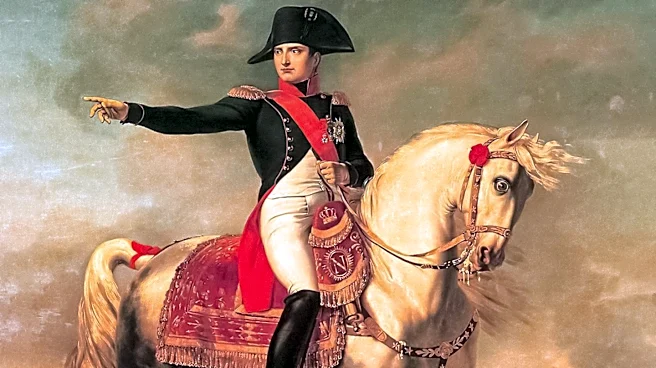
The revolution saw the rise of radical factions, such as the Jacobins, and the execution of King Louis XVI in 1793. The Reign of Terror, led by Maximilien Robespierre, was a period of intense political purges and executions, which ultimately led to Robespierre's downfall. The revolution culminated in the rise of Napoleon Bonaparte, who established the First French Empire in 1804.
Impact on France and the World
The French Revolution had a profound impact on France, dismantling the feudal system and establishing a republic based on the principles of liberty, equality, and fraternity. It also inspired revolutionary movements across Europe and the Americas, spreading the ideals of democracy and human rights.
The revolution's legacy is evident in the modern world, as it laid the foundation for the development of democratic institutions and the protection of individual freedoms. While the revolution was marked by violence and turmoil, its enduring influence on political thought and social change cannot be overstated, making it a defining moment in history.