






Denmark is a constitutional monarchy, a system that has been in place since 1849. This political structure combines a hereditary monarchy with a parliamentary democracy, creating a unique governance model. This article explores the intricacies of Denmark's political system, focusing on its constitutional framework, the role of the monarchy, and the functioning of its parliamentary democracy.
The Constitutional Framework
The foundation of Denmark's political system is its constitution,
which was first established in 1849. This document outlines the structure of government and the rights of citizens, ensuring a balance between the monarchy and democratic institutions. The constitution has undergone several amendments to adapt to changing political and social landscapes, but its core principles remain intact.
Denmark's constitution establishes the country as a unitary state, meaning that it is governed as a single entity with centralized authority. However, it also allows for significant autonomy in its two overseas territories, Greenland and the Faroe Islands. These regions have their own parliaments and governments, reflecting Denmark's commitment to self-governance within its realm.
The Role of the Monarchy
At the heart of Denmark's political system is its monarchy, the oldest existing monarchy in Europe. The monarch's role is largely ceremonial, with real political power residing in the elected government. The monarch's duties include representing Denmark at official events, signing bills into law, and appointing the prime minister based on parliamentary elections.
Despite its ceremonial nature, the monarchy holds symbolic significance in Denmark, embodying national unity and continuity. The royal family is a respected institution, and the monarch's presence in public life reinforces Denmark's historical and cultural heritage.
Parliamentary Democracy in Action
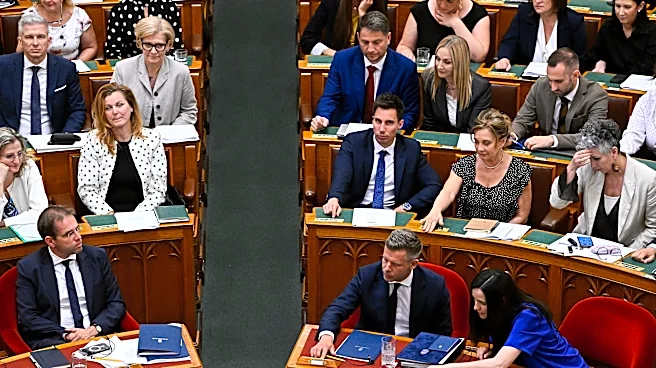
Denmark's parliamentary democracy is characterized by a multi-party system and proportional representation. The Folketing, Denmark's unicameral parliament, is composed of 179 members, including representatives from Greenland and the Faroe Islands. Elections are held every four years, with the prime minister typically being the leader of the majority party or coalition.
The Folketing is responsible for passing legislation, approving budgets, and overseeing the government. It operates on principles of consensus and cooperation, reflecting Denmark's political culture of dialogue and compromise. This approach has contributed to Denmark's reputation for stable governance and effective public administration.
In conclusion, Denmark's political structure is a blend of tradition and modernity, with its constitutional monarchy providing a stable framework for democratic governance. The balance between the monarchy and parliamentary democracy ensures that Denmark remains a cohesive and well-functioning state, respected for its commitment to democratic values and social progress.