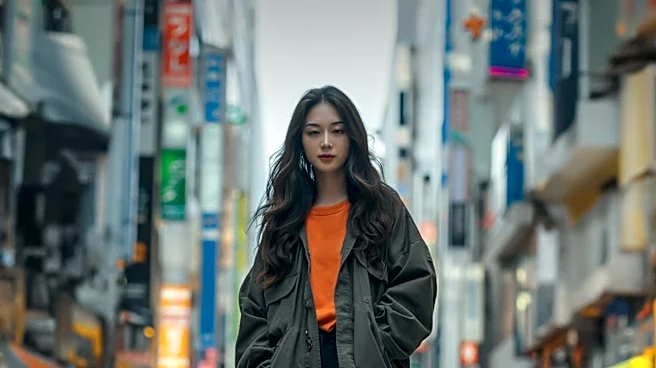


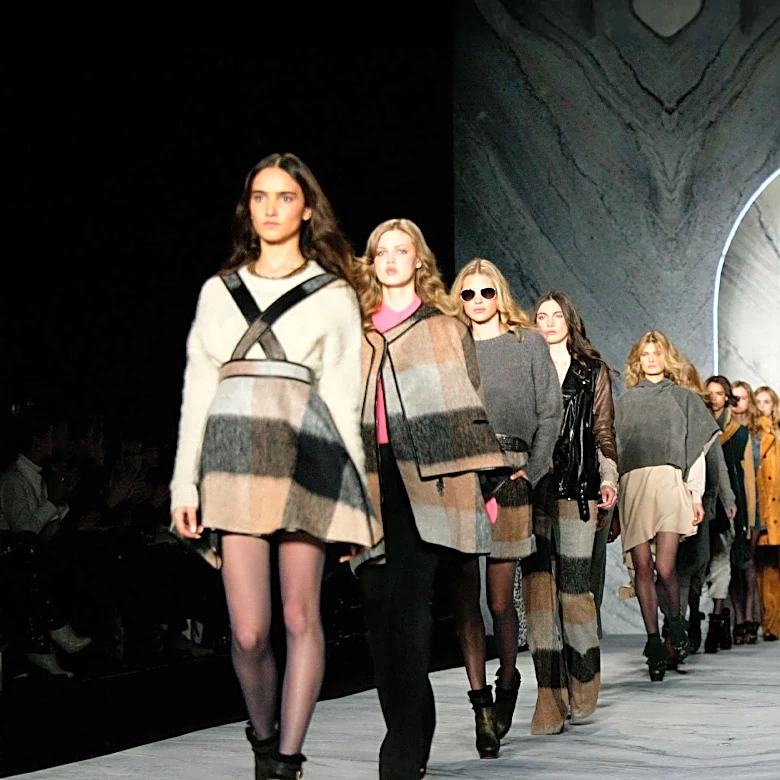

Japanese street fashion encompasses a wide array of contemporary modern clothing styles that are unique to Japan. These styles are often a blend of local and international fashion brands, resulting in distinctive looks that can be considered extreme and highly imaginative, sometimes drawing parallels to haute couture seen on European runways. The vibrant and ever-evolving nature of Japanese street fashion is deeply rooted in its strong youth culture,
particularly in districts like Harajuku in Shibuya, Tokyo, which has been a driving force behind the development of new styles and fashion subcultures since the 1960s and 1970s.
Cultural Influences and Economic Factors
The rapid turnover and variability in Japanese street fashion styles are influenced by several factors. The rise of consumerism, which became a significant part of Japan's national character during its economic boom in the 1980s, continues to impact fashion purchases, even after the economic bubble burst in the 1990s. Additionally, Japanese youth often have a comparatively large amount of disposable income, partly because many live at home with their parents for longer than in other countries, reducing living expenses and allowing for greater spending on clothing. Japan is also known for its substantial consumption of foreign luxury brands, accounting for 41 percent of the world's luxury goods in 2006, with brands like Burberry's blue line being particularly successful.
While many trends experienced a leveling off in the later 2000s, the dynamic nature of Japanese street fashion has been chronicled by Shoichi Aoki in the fashion magazine *Fruits* since 1997, a notable publication for promoting street fashion in Japan. The influence of music is also evident; Japanese hip-hop, which had a strong presence in Tokyo's underground club scene, began to influence mainstream fashion in 2003. This led to Tokyo's youth imitating their favorite hip-hop stars, from oversized clothing to tanned skin, showcasing the powerful connection between music and fashion in Japan.
Iconic Styles and Subcultures
Modern Japanese street fashion is characterized by numerous distinct sub-styles, each with its own aesthetic and cultural significance. Lolita fashion, for instance, is one of the most recognizable styles globally, featuring knee-length skirts or dresses with petticoats for volume, lace-trimmed blouses, and specific footwear like Mary Janes. Within Lolita, there are sub-styles such as Gothic Lolita, influenced by Eastern and Victorian Goth aesthetics with dark colors and motifs like skeletons; Sweet Lolita, a childlike style inspired by Victorian children's clothing and *kawaii* culture; Classic Lolita, which resembles Rococo or Victorian historical fashion with muted colors; and Punk Lolita, an experimental blend of Punk and Lolita elements. Ouji, or 'boy style,' is the masculine counterpart, featuring capri-style 'prince pants' and masculine blouses.
Gyaru, originating in the 1970s, focuses on a girly-glam style with a rebellious attitude and exaggerated beauty, heavily inspired by Western fashion. A sub-style of Gyaru is Ganguro, popular in the early 1990s and peaking in the early 2000s. Ganguro is characterized by brightly colored outfits, mini-skirts, tie-dyed sarongs, bleached hair, deep tans, and distinctive black and white eyeliner. Namie Amuro is often considered a leading figure who popularized this style. Extreme versions like "Yamanba" and "Manba" also exist, though enthusiasts consider ganguro an "easy version" of their style.
Diverse Expressions and Niche Aesthetics
Other notable Japanese street fashion styles include Kogal, based on a high school uniform with a shorter skirt, loose socks, and often dyed hair, which saw a resurgence in popularity around late 2020. Bōsōzoku fashion, though less popular since the 1990s, is frequently caricatured in Japanese media, featuring jumpsuit-like uniforms or *tokko-fuku* overcoats. Amekaji, based on American casual wear, was introduced by delinquents in Shibuya and popularized by actor Takuya Kimura.
Decora Kei, originating in the late 1990s/early 2000s, is known for its monochrome color schemes, plain shirts and hoodies with tutu-like skirts, and an abundance of accessories like jewelry, clips, and layered arm/leg warmers. Oshare Kei, the bright and pop-infused counterpart to Visual Kei, features colorful costumes, anime character accessories, and lighter makeup. Angura Kei is a dark style associated with Visual Kei, influenced by traditional Japanese elements and the Showa era, often incorporating *shironuri* makeup and modified Japanese school uniforms.
Cult Party Kei, named after a Harajuku shop, draws from Western religious artifacts, using layers of soft-colored fabrics, cream lace, and satin bows. Dolly Kei is inspired by Japan's view of the Middle Ages and European fairy tales, featuring vintage-style clothing and sometimes religious symbols. Fairy Kei is a youthful, nostalgic style based on 1980s fashion, characterized by pastel colors, angels, toys, and accessories from Western toy lines. Girly Kei emphasizes a hyperfeminine, cute, and girlish appearance with lace, ribbons, ruffles, and soft pastel colors. Mori Kei, meaning "forest," uses soft, loosely fitting layers, natural fabrics, and nature-themed accessories to create a doll-like yet earthy look. Jirai Kei, meaning "landmine type," is an edgier counterpart to Girly Kei, combining dark and *kawaii* styles with bows, hearts, crosses, and platform shoes, often associated with a stereotype of cute, hyper-feminine young women whose personalities don't match their appearance.