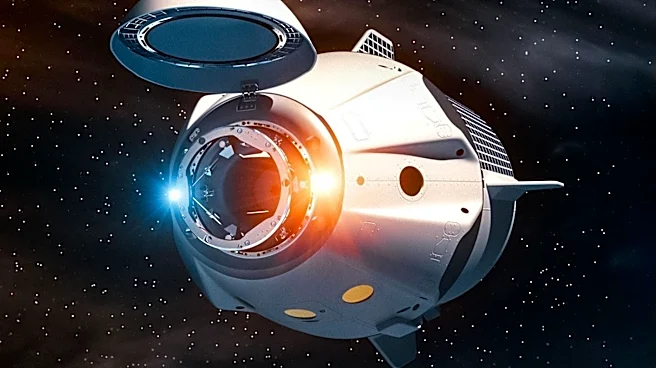


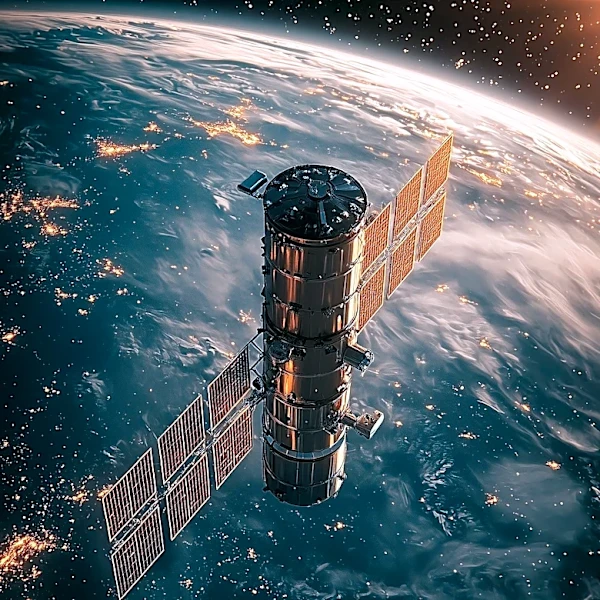





The Crew Dragon Demo-2 mission marked a significant milestone in U.S. spaceflight history. After spending over two months docked at the International Space Station (ISS), the spacecraft, named Endeavour, began its return journey to Earth on August 1, 2020. This mission was not only a technical achievement but also a symbolic return to crewed spaceflight from U.S. soil. Let's explore the details of this historic journey from undocking to splashdown.
Preparing for Departure
Endeavour remained docked to the ISS for 62 days, 9 hours, and 8 minutes. As the time for undocking approached, NASA mission managers evaluated various potential splashdown sites off the coast of Florida, considering weather conditions and safety protocols. The United States Coast Guard issued advisories to keep the area clear of unauthorized vessels, ensuring a safe return for the crew.
At 23:35 UTC on August 1, 2020, Endeavour undocked from the ISS. At this moment, the spacecraft weighed approximately 12,520 kg. The undocking process involved a series of four departure burns to safely distance the capsule from the ISS. Following these maneuvers, a phasing burn lasting over six minutes set the capsule on its trajectory back to Earth.
The Return to Earth
On the final day of the mission, the crew was awakened by prerecorded messages from their sons, adding a personal touch to the historic journey. A critical yaw maneuver occurred at 17:51 UTC to separate the "claw" umbilical mechanism from the trunk of the spacecraft. Shortly after, the deorbit burn commenced, lasting 11 minutes and 22 seconds, which was crucial for reentry into Earth's atmosphere.
As Endeavour reentered the atmosphere, the crew experienced a maximum of 4 g of force. The nose cone was closed just before reentry, and the drogue chutes deployed at 18:44 UTC, followed by the main parachutes. These steps were vital to ensure a safe and controlled descent.
Splashdown and Recovery
Endeavour splashed down in the Gulf of Mexico off the coast of Pensacola, Florida, at 18:48:06 UTC on August 2, 2020. This marked the first splashdown of a crewed spacecraft in the Gulf of Mexico and the first for NASA astronauts in 45 years. The recovery process involved checking the air quality around the capsule for any toxic propellant traces and collecting the parachutes.
Despite earlier warnings, several private boats entered the hazardous area, posing risks to the recovery operation. The Coast Guard later stated that they would enhance enforcement for future missions. The recovery ship, MV GO Navigator, successfully retrieved the capsule, and the crew was safely brought aboard, marking the end of a historic mission.