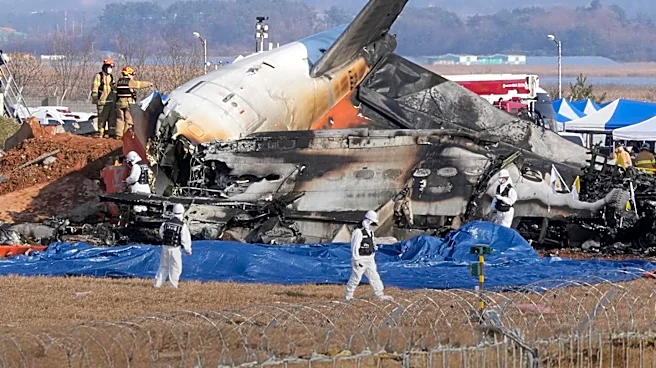







On October 29, 1960, a Curtiss C-46 Commando aircraft carrying the California Polytechnic State University football team crashed shortly after takeoff from Toledo Express Airport in Ohio. This devastating accident claimed the lives of 22 of the 48 people on board, including 16 players, both pilots, a student manager, and a Cal Poly football booster. The team was on its way home after playing a game against the Bowling Green Falcons, a school that,
at the time, represented the easternmost opponent Cal Poly had ever faced in football.
Deteriorating Conditions and Overloaded Aircraft
The conditions at Toledo Express Airport on that fateful evening were far from ideal. The weather steadily worsened in the hours leading up to the scheduled takeoff. Visibility, which was three-quarters of a mile at 7 p.m., dropped significantly to one-sixteenth of a mile by 8:37 p.m. By the time the aircraft attempted to depart at 10:02 p.m. EST, visibility had plummeted to zero. This severe lack of visibility played a critical role in the unfolding tragedy.
Compounding the hazardous weather was the fact that the Curtiss C-46 Commando was overloaded. The aircraft was carrying 2,000 pounds above its maximum certified gross takeoff weight of 47,100 pounds. This excessive weight would have undoubtedly impacted the aircraft's performance capabilities, especially during a critical phase of flight like takeoff. The combination of zero visibility and an overweight aircraft created an extremely dangerous situation for the flight crew.
Mechanical Failure and Loss of Control
During the takeoff roll, the aircraft experienced a partial loss of power in its left engine. An investigation into the accident later confirmed this partial power loss as a significant contributing factor. The Civil Aeronautics Board (CAB), which conducted the official inquiry, ultimately concluded that the accident was a result of "loss of control during a premature lift-off." This indicates that the pilot attempted to lift the aircraft off the runway before it had achieved sufficient speed or lift, likely exacerbated by the engine issue and the aircraft's heavy load.
The CAB's final report explicitly listed the contributing factors: the overweight aircraft, the adverse weather conditions, and the partial loss of power in the left engine. The pilot who made the decision to take off was flying on a certificate that had been revoked, though he was allowed to fly pending an appeal. Following the crash, the Arctic-Pacific Company, the operator of the aircraft, lost its certificate to charter airplanes. This tragic event led to immediate changes in aviation regulations, with the Federal Aviation Administration (FAA) subsequently prohibiting commercial aircraft takeoffs when visibility falls below one-quarter mile or when the runway visual range is less than 2,000 feet.