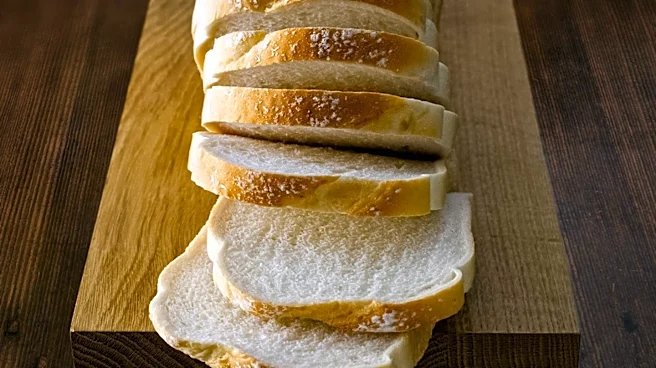









Sliced bread is more than just a kitchen convenience; it has become a cultural icon in the United States. The introduction of pre-sliced bread in 1928 by the Chillicothe Baking Company marked a turning point in American consumer habits and cultural expressions. This innovation not only changed how people consumed bread but also left a lasting imprint on American culture.
A New Era of Convenience
Before the advent of sliced bread, consumers had to cut their own slices from
a loaf, a task that could be cumbersome and inconsistent. The introduction of pre-sliced bread offered a level of convenience that was unprecedented at the time. It allowed people to easily make sandwiches, toast, and other bread-based meals without the hassle of slicing.
This convenience quickly became a selling point, and sliced bread was marketed as "the greatest forward step in the baking industry since bread was wrapped." The ease of use and time-saving aspect of sliced bread resonated with the American public, leading to its rapid adoption across the country. By 1933, a significant majority of bread sold in the U.S. was pre-sliced, reflecting a shift in consumer preferences towards convenience.
The Rise of a Cultural Idiom
The widespread popularity of sliced bread gave rise to the idiom "the greatest thing since sliced bread," which is used to describe an invention or development that is considered highly innovative or beneficial. This phrase has become ingrained in American vernacular, symbolizing the impact that sliced bread had on society.
The idiom reflects the cultural significance of sliced bread as a benchmark for innovation. It highlights how this simple yet revolutionary product captured the imagination of the public and became a standard against which other innovations were measured. The phrase continues to be used today, underscoring the enduring legacy of sliced bread in American culture.
Influencing Consumer Habits
The introduction of sliced bread also influenced consumer habits in unexpected ways. The uniform slices encouraged people to consume more bread, as it was easier to grab an extra slice or two. This increase in bread consumption led to a rise in the use of spreads like jam and butter, boosting related industries.
Moreover, the availability of pre-sliced bread contributed to the popularity of automatic toasters, which had been invented in 1926. The standardized slices were perfect for toasting, making it a popular breakfast choice. This synergy between sliced bread and toasters further cemented the role of sliced bread in American households.
In conclusion, the introduction of sliced bread in 1928 was a pivotal moment in American history. It not only transformed the way people consumed bread but also left a lasting cultural impact. From changing consumer habits to becoming a symbol of innovation, sliced bread has earned its place as a cultural icon in the United States.