



The 2004 season marked a significant turning point in NASCAR history with the introduction of the Chase for the Nextel Cup. This new format transformed the championship battle into a ten-race playoff series, designed to intensify competition among the sport's elite drivers. After the Chevy Rock and Roll 400, held on September 11, 2004, the top ten drivers in the standings were officially locked into this inaugural playoff. This innovative structure
aimed to provide a more defined and exciting path to the championship, culminating in a dramatic conclusion to the season.
The Genesis of the Chase Format
Before 2004, the NASCAR championship was determined by a season-long points accumulation, which sometimes led to a champion being decided well before the final race. The Chase for the Nextel Cup was conceived to address this, creating a high-stakes playoff system that would keep fans engaged until the very end. This new format meant that only a select group of drivers would contend for the title in the final stretch of the season, adding a new layer of strategy and pressure to the sport.
The decision to implement a ten-race playoff series fundamentally altered the competitive landscape of NASCAR. It shifted the focus from consistent performance over an entire year to a more concentrated effort during the final races. Drivers and teams had to adapt their strategies, knowing that a strong start to the season was crucial to qualify for the Chase, but that peak performance in the final ten events would ultimately determine the champion.
Key Participants and the Championship Battle
The inaugural Chase for the Nextel Cup featured ten prominent drivers vying for the coveted title. These included Kurt Busch, Jimmie Johnson, Jeff Gordon, Mark Martin, Dale Earnhardt Jr., Tony Stewart, Ryan Newman, Matt Kenseth, Elliott Sadler, and Jeremy Mayfield. Each of these drivers had earned their spot through their performance in the regular season, setting the stage for an intense championship showdown.
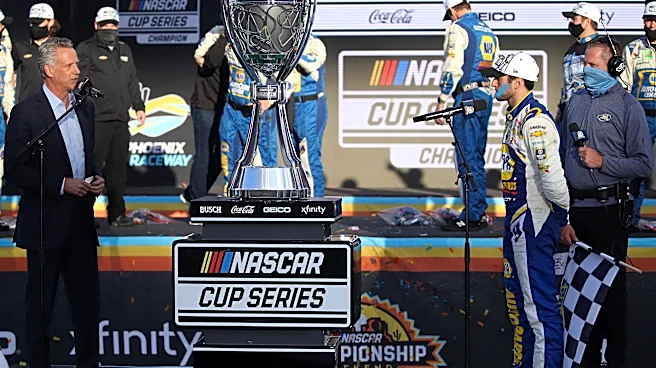
The competition was fierce, with several drivers remaining in contention until the very end. Kurt Busch ultimately emerged as the champion, securing his first career driver's championship. His victory in this inaugural playoff system cemented his place in NASCAR history and demonstrated the effectiveness of the new format in producing a thrilling championship race. The final standings showed the close competition, with Busch finishing with 6506 points, closely followed by Jimmie Johnson with 6498 points and Jeff Gordon with 6490 points.
Notable Team Ownership and Structure
Beyond the drivers, the structure of the teams involved in the Chase also featured interesting details regarding ownership. For instance, Jeff Gordon was the official owner of the No. 48 car, a role that stemmed from his work in signing Jimmie Johnson to Hendrick Motorsports. Gordon also held a minority interest in the team and was involved in licensing merchandising through Hendrick Gordon Licensing LLC. This highlights the multifaceted roles some drivers played within their organizations.
Similarly, Mark Martin was the official owner of the No. 17 car. His ownership was linked to his efforts in signing Matt Kenseth and he also held a minority interest in that team. These examples illustrate how some of the sport's biggest names were not only behind the wheel but also played significant roles in the business and management aspects of their respective racing teams, contributing to the overall strength and stability of their organizations within the newly structured championship format.