





Milton Berle's transition to television marked a watershed moment in American entertainment, earning him the enduring monikers "Uncle Miltie" and "Mr. Television." As the host of NBC's "Texaco Star Theatre" from 1948 to 1953, Berle became the medium's first major American television star, captivating millions of viewers during what is now known as the first Golden Age of Television. His highly visual comedic style, rooted in vaudeville slapstick and outlandish
costumes, proved to be perfectly suited for the nascent medium, transforming Tuesday nights into a national event.
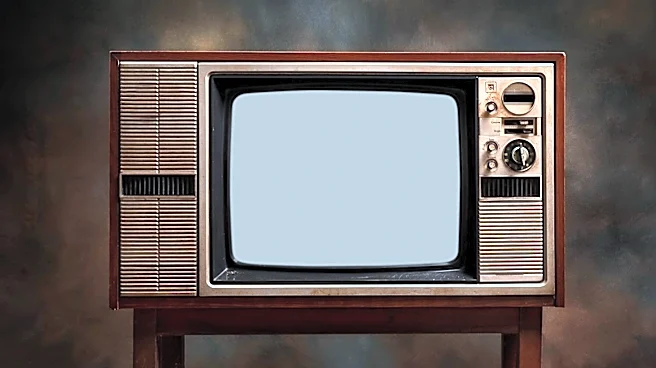
Berle's influence extended beyond mere entertainment; he played a significant role in driving the adoption of television sets across the nation. His show was not just popular; it was a cultural phenomenon that reshaped viewing habits and even impacted daily life.
The Birth of a Television Icon
Milton Berle's first foray into television was an experimental broadcast in Chicago in 1929, which he hosted for an audience of 129 people. However, it was nearly two decades later, in 1948, that he would truly make his mark. On June 8, 1948, Berle hosted the debut of "The Texaco Star Theatre" on the NBC Television Network. Initially, he was part of a rotating group of hosts, with only a four-week contract. Jack Carter, for instance, hosted in August of that year. However, Berle's immediate and overwhelming popularity led to him being named the permanent host that fall.
Berle's success on television was largely due to his ability to adapt his extensive vaudeville experience to the new medium. He revived the structure and routines of his stage act, hiring writer Hal Collins to help adapt his old material. His highly visual approach, characterized by physical comedy and a penchant for elaborate costumes, was ideal for television, which was still finding its footing. This direct translation of his stage persona resonated deeply with audiences, making him an instant sensation.
Cultural Phenomenon and Unprecedented Impact
Milton Berle's dominance on Tuesday night television was unparalleled for several years. "The Texaco Star Theatre" consistently reached the number one spot in the Nielsen ratings, at times commanding an astonishing 97% share of the viewing audience. This immense popularity had a tangible impact on American society: fewer movie tickets were sold on Tuesdays, and some theaters, restaurants, and other businesses would even shut down for the hour or close for the evening so their patrons wouldn't miss Berle's antics.
Berle's autobiography recounts a remarkable anecdote from Detroit, where an investigation was launched due to a drastic drop in water levels in reservoirs between 9 and 9:05 PM on Tuesday nights. The cause was attributed to everyone waiting until the end of "The Texaco Star Theatre" before using the bathroom. This story, whether entirely literal or slightly embellished, perfectly illustrates the profound hold Berle had on the American public. Television sales more than doubled after the show's debut, reaching two million in 1949, a testament to his power as a medium-defining star. His stature as television's first superstar earned him the enduring nickname "Mr. Television." He also acquired another affectionate title, "Uncle Miltie," after an ad-libbed remark to children at the end of a 1949 broadcast: "Listen to your Uncle Miltie and go to bed." The song "Near You" by Francis Craig and Kermit Goell became the theme song that closed his TV shows, further cementing his place in popular culture. Berle even risked his newfound TV stardom to challenge Texaco when the sponsor attempted to prevent black performers from appearing on his show, demonstrating his influence and principles.