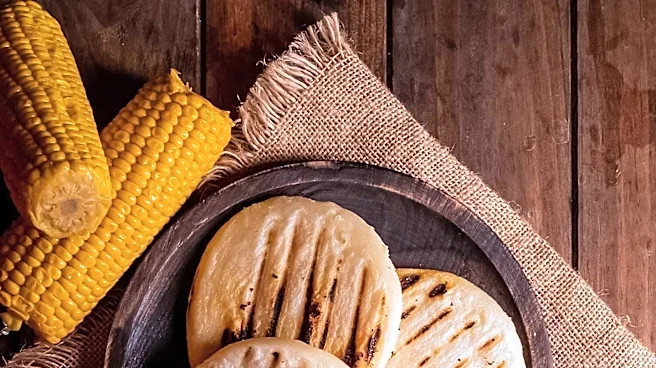





The arepa, a simple flatbread made from ground maize dough, serves as a remarkable canvas for culinary diversity across northern South America. While its fundamental form remains consistent, the ingredients, preparation methods, and cultural roles vary significantly from one region to another, creating a rich tapestry of flavors and traditions. This versatility allows the arepa to be enjoyed in countless ways, from a simple accompaniment to a complex,
stuffed meal.
Accompaniments and Adaptations
Arepas are rarely eaten plain; they are typically served with a wide array of accompaniments that reflect local tastes and available ingredients. Common additions include cheese, cuajada (a fresh cheese), various types of meat, and avocado. A popular spread known as diablito, or deviled ham spread, also finds its way onto arepas. Beyond these toppings, arepas are often split open to create sandwiches, allowing for even more elaborate fillings. The specific size of the arepa, the type of maize used, and any additional ingredients incorporated into the dough itself are all subject to regional preferences and preparation styles.
This adaptability makes the arepa comparable to other corn-based flatbreads found across Latin America, such as the Mexican gordita, the Salvadoran pupusa, the Ecuadorian tortilla de maíz, and the Panamanian tortilla or changa. Each of these dishes, while distinct, shares the common thread of being a versatile, corn-based staple that can be customized to suit local palates and culinary traditions.
Colombian Arepa: A Kaleidoscope of Forms
Colombia stands out for the sheer variety of its arepas, boasting approximately 75 distinct preparation forms. This extensive range highlights the arepa's deep integration into Colombian culture, where it is considered a symbol of national gastronomic unity. In the Paisa region, the arepa is particularly vital, often appearing at every meal. A unique tradition involves honoring dignitaries by placing necklaces of arepas around their necks, signifying praise and respect. Many arepa varieties, including a stuffed version with eggs, meat, or cheese, originated from this region.
Colombian arepas are widely available, sold commercially in neighborhood stores, chain supermarkets, and market plazas. Consumers can purchase them as pre-molded white or yellow corn dough, ready for grilling or frying at home, or as industrialized corn flour that requires hydration before preparation. Street vendors, cafeterias, and neighborhood stores also offer a diverse selection. A notable breakfast variation from the Caribbean region is the *arepa con huevo*, where a cooked arepa is split, stuffed with a raw egg, and then fried. The Colombian Arepa Festival, celebrated in cities like Barranquilla, Bogotá, Bucaramanga, Cali, and Medellín, further showcases the country's rich arepa culture, featuring types such as *arepa de choclo*, *arepa de queso*, *arepa frita*, *arepa costeña*, *arepa de yuca*, and *arepa paisa*.
Bolivian and Venezuelan Interpretations
Bolivia also contributes to the arepa's diverse landscape. Bolivian arepas are made from corn, with the Cotoca recipe being one of the most traditional. The country offers several varieties, including the Cruceña and Andina types, each reflecting local culinary practices. In Venezuela, the arepa is equally cherished, with food anthropologist Ocarina Castillo noting its likely ancient origins in the region before modern borders were drawn. This shared culinary heritage across nations underscores the arepa's role as a foundational and adaptable food item, continually evolving with regional tastes and traditions.