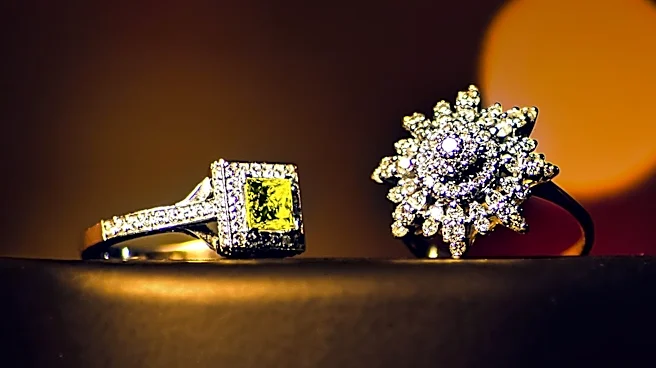




The Tiffany Yellow Diamond, a gemstone of immense historical and commercial significance, stands as a testament to enduring luxury and strategic branding. Discovered in South Africa in 1878, this remarkable diamond was acquired by Charles Tiffany and subsequently transformed into a 128.54-carat cushion-shaped brilliant. What truly sets this diamond apart in the world of precious stones is its unique status: it has never been sold. Instead, it has become
an integral part of Tiffany & Co.'s identity, serving as a powerful symbol of the brand and a permanent fixture in their flagship New York City store.
From Mine to Masterpiece: The Diamond's Early Journey
The journey of the Tiffany Yellow Diamond began in the Kimberley mines of South Africa in 1878. Its discovery marked the beginning of a new chapter for both the diamond and the burgeoning luxury brand, Tiffany & Co. Charles Tiffany, with a keen eye for exceptional gems, recognized the potential of this rough stone. The decision to purchase such a significant diamond underscored Tiffany & Co.'s commitment to acquiring and showcasing the world's most extraordinary jewels.
The raw diamond, weighing 287.42 carats, presented a considerable challenge and opportunity for master cutters. The process of transforming this rough stone into a polished gem was meticulous, aiming to maximize its brilliance and unique yellow hue. The result was a stunning 128.54-carat cushion-shaped brilliant, a cut chosen to enhance its fire and color. This careful craftsmanship ensured that the diamond would not only be large but also possess an unparalleled visual appeal.
A Symbol, Not a Commodity: The Unsold Legacy
Unlike many other famous diamonds that have changed hands multiple times throughout history, the Tiffany Yellow Diamond has remained under the sole ownership of Tiffany & Co. This strategic decision has elevated the diamond beyond a mere commodity, transforming it into an invaluable brand asset. Its presence in the company's collection reinforces Tiffany's reputation for exclusivity and unparalleled quality.
The diamond's role as a branding tool is evident in its prominent display at the Tiffany & Co. flagship store in New York City. It serves as a magnet for visitors and a tangible representation of the brand's heritage and prestige. This continuous public display, without the intention of sale, highlights a unique approach to luxury marketing, where the intrinsic value of the object is leveraged to enhance the brand's overall image and allure. The diamond's enduring presence in the company's narrative underscores its status as a timeless icon rather than a transient possession.
Cultural Impact and Public Appearances
While never sold, the Tiffany Yellow Diamond has made several notable public appearances, further cementing its cultural significance. These rare outings have allowed a wider audience to appreciate its beauty and historical importance. Such events are carefully orchestrated, reinforcing the diamond's mystique and its association with high-profile moments and individuals.
These appearances are not just about showcasing a beautiful gem; they are about reinforcing the narrative of Tiffany & Co. as a purveyor of extraordinary and enduring luxury. The diamond's journey from a South African mine to a global icon, all while remaining in the possession of its original luxury brand owner, is a unique story in the world of precious stones. It continues to captivate and inspire, embodying the essence of Tiffany & Co.'s legacy.