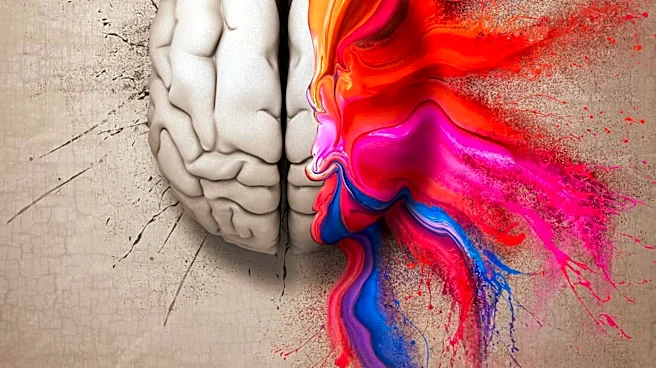








Negativity bias is a psychological tendency that causes individuals to focus more intensely on negative experiences. This inherent inclination affects various aspects of human cognition, including social judgments and the processes involved in decision-making. Essentially, it means that negative information often holds more weight and captures our attention more readily than positive information. This bias is a fundamental aspect of how humans perceive
and interact with the world around them, influencing everything from how we form impressions of others to how we react to news and events.
Understanding the Core Concept
The negativity bias describes a phenomenon where unpleasant thoughts, emotions, or social interactions, as well as harmful or traumatic events, tend to have a greater impact on our psychological state than positive ones. This isn't merely about noticing negative things; it's about giving them disproportionate attention and influence. For instance, a single negative comment might overshadow numerous positive ones, or a minor setback could feel more significant than several successes.
This psychological tendency suggests that our brains are, in a way, hardwired to prioritize the negative. This could be an evolutionary adaptation, as being more attuned to potential threats and dangers would have offered a survival advantage. However, in modern contexts, this bias can lead to skewed perceptions and potentially hinder well-being by making negative experiences feel more pervasive and impactful than they might objectively be.
Impact on Social Judgments and Decision-Making
The negativity bias significantly influences how we form impressions of other people. When evaluating individuals, negative traits or behaviors often carry more weight than positive ones. For example, a single act of dishonesty might be remembered and emphasized more than many acts of kindness or competence. This can lead to a more critical and less forgiving assessment of others, even when the overall evidence might suggest a more balanced or positive view.
In decision-making, the negativity bias manifests as a greater sensitivity to potential losses compared to potential gains. This concept is closely related to