
Drapery has been a significant element in art for centuries, serving both aesthetic and functional purposes. From ancient sculptures to modern paintings, the depiction of drapery has allowed artists to explore
form, movement, and emotion. This article examines the role of drapery in art history and its impact on artistic expression.
Classical Foundations
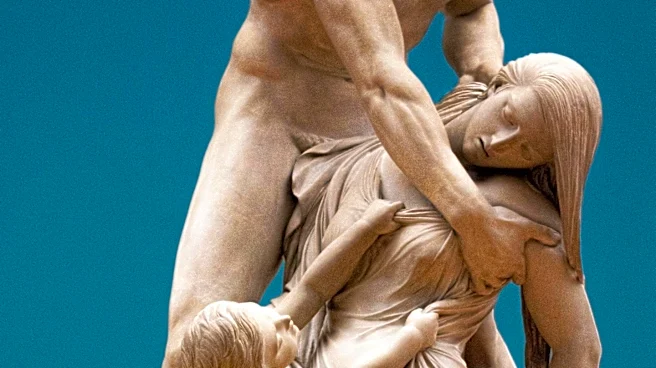
The use of drapery in art can be traced back to ancient Greece, where it was a prominent feature in sculpture and painting. Greek artists were renowned for their ability to depict the human form with precision, and drapery played a crucial role in enhancing this realism. The flowing lines and intricate folds of draped garments emphasized the natural contours of the body, creating a sense of movement and vitality.
In Greek art, drapery was not merely a decorative element but a means of conveying emotion and narrative. The way fabric clung to the body or billowed in the wind could suggest action, mood, or character. This tradition continued in Roman art, where drapery was used to convey status and identity, with different styles and materials indicating social rank and occupation.
Renaissance Revival
The Renaissance period marked a resurgence of interest in classical art forms, including the depiction of drapery. Artists of this era, inspired by ancient prototypes, incorporated drapery into their works to add depth and realism. Drapery became a tool for exploring light and shadow, as the play of light across folds and creases added dimension and texture to paintings and sculptures.
During the Renaissance, drapery also served as a symbol of wealth and power. The luxurious fabrics and elaborate folds depicted in portraits and religious scenes reflected the status and influence of the subjects. Artists like Leonardo da Vinci and Michelangelo mastered the art of drapery, using it to enhance the narrative and emotional impact of their works.
Modern Interpretations
In the modern era, drapery continues to be a source of inspiration for artists. The late 1960s and 1970s saw the emergence of draped paintings, a style popularized by artists like Sam Gilliam. These works challenged traditional notions of painting and sculpture, using drapery to create dynamic, three-dimensional compositions.
Drapery in modern art often serves as a metaphor for movement and change, reflecting the fluidity and complexity of contemporary life. Artists use drapery to explore themes of identity, transformation, and the passage of time, pushing the boundaries of artistic expression.
The enduring presence of drapery in art underscores its versatility and timeless appeal. Whether in the folds of a classical sculpture or the sweeping lines of a modern painting, drapery continues to captivate and inspire, offering artists a powerful means of expression.