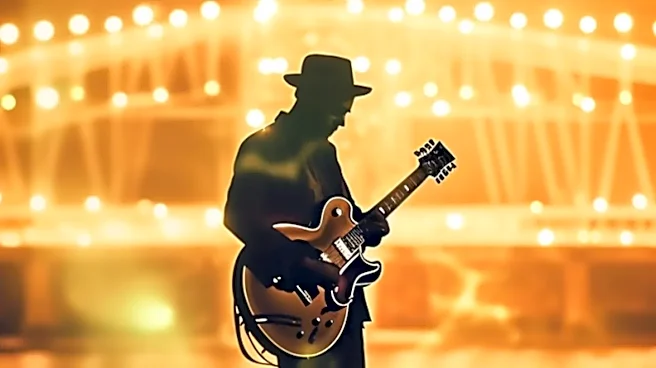






"Born to Run" stands as a monumental song in the career of American singer-songwriter Bruce Springsteen, serving as the title track for his third studio album released in 1975. While it was Springsteen's first worldwide single release, its initial success outside the United States was limited. However, within the U.S., the song quickly gained extensive airplay on progressive and album-oriented rock radio stations, solidifying its presence in the American music
landscape. It also marked Springsteen's first Top 40 hit on the Billboard Hot 100, peaking at number 23, and has since become an iconic anthem.
Composition and Lyrical Inspiration
The genesis of "Born to Run" can be traced back to late 1973 when Springsteen, while on the road in Tennessee, awoke with the title and immediately wrote it down. This initial spark evolved into a song written in the first person, often interpreted as a love letter to a character named Wendy. The protagonist, a hot rod-riding figure, expresses a profound passion for love but lacks patience, embodying a restless spirit.
Springsteen himself has offered a simpler core interpretation: the song is fundamentally about the desire to escape Freehold, New Jersey. This theme is directly referenced in the lyric "sprung from cages out on Highway 9," alluding to U.S. Route 9, a highway that passes through Freehold. The song's composition began on guitar with its opening riff, but Springsteen completed the writing on piano, an instrument he used for most of the "Born to Run" album. The track was recorded in the key of E major, and some of its lead guitar parts drew inspiration from Duane Eddy's distinctive style.
Critical Reception and Cultural Impact
Upon its single release, "Born to Run" garnered significant critical acclaim. Billboard magazine described it as "one of the best rock anthems to individual freedom ever created," praising its "monster song with a piledriver arrangement" and predicting it could become Springsteen's biggest hit. Cash Box noted Springsteen's unique sound, suggesting he sounded like a blend of Roger McGuinn from his Byrds days and no one else. The song's powerful message resonated deeply, particularly with young audiences.
Its cultural significance was further cemented in 1980 when the New Jersey State Assembly passed a resolution naming "Born to Run" the "unofficial rock theme of our State's youth." Although the bill ultimately failed to pass the state Senate due to some lyrics expressing a desire to leave New Jersey, this legislative attempt highlights the song's profound connection to the state's identity. "Born to Run" also joined Springsteen's concert repertoire well before the album's release, being performed live as early as May 1974, demonstrating its immediate impact and enduring appeal among his fanbase.