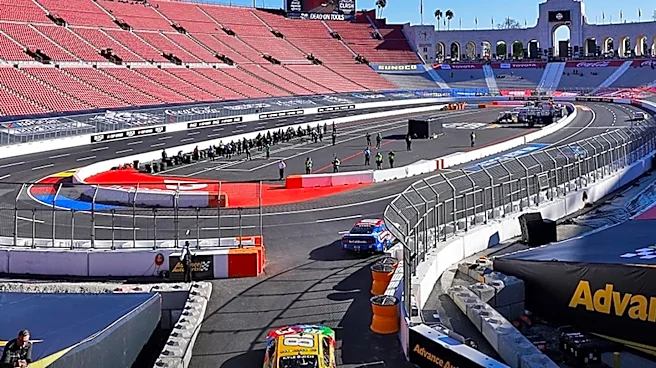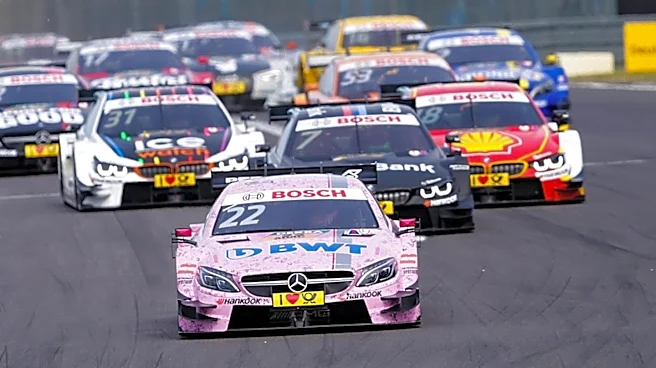


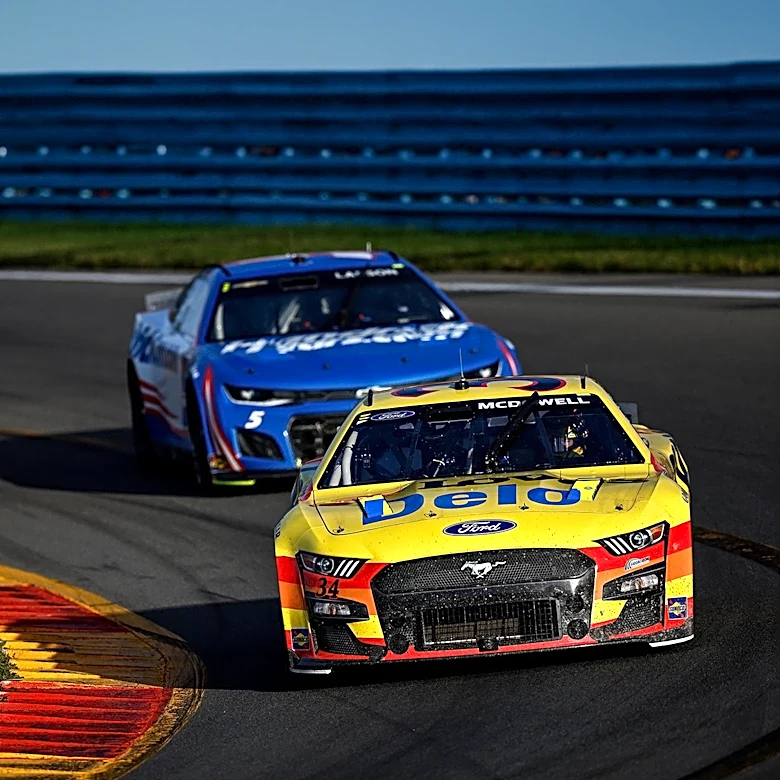




Touring car racing has a rich history that traces back to the mid-20th century in Europe. This form of motorsport, which features production-based cars modified for competition, has grown into a global phenomenon. The sport emphasizes close racing, balanced performance, and manufacturer diversity, with cars that still resemble their road-going counterparts. Over the years, touring car racing has evolved through various rule sets and championships,
expanding its reach and popularity worldwide.
Origins and Early Development
Touring car racing began in Europe in the mid-20th century as a long-format competition. Initially, these races took place on public roads between towns, with cars crewed by a driver and a mechanic due to their unreliability. This early format laid the foundation for modern touring car racing, where the driver sits offset from the car's centerline, a legacy of the need for a second seat for the mechanic.
As the sport developed, it adopted various rule sets, such as Group A and Super Touring, which helped standardize the competition and attract more participants. These regulations required competitors to start with a standard car body, but allowed for significant modifications to engines, suspension, brakes, and other components. This balance between standardization and modification has been a hallmark of touring car racing, ensuring both competitive racing and manufacturer involvement.
Global Expansion and Major Championships
Touring car racing has expanded beyond its European origins to become a global sport. Major championships like the Deutsche Tourenwagen Masters (DTM), British Touring Car Championship (BTCC), and Supercars Championship in Australia and New Zealand have become prominent fixtures in the motorsport calendar. These series have helped popularize touring car racing in different regions, each bringing its unique flavor to the sport.
The introduction of the FIA TCR formula further contributed to the sport's global reach. This specification, which uses front-wheel drive and turbocharged engines, has been adopted by numerous series worldwide, allowing for a more standardized and accessible form of competition. The TCR formula has also facilitated the creation of the World Touring Car Cup (WTCR), which has become a premier international series.
Modern Touring Car Racing
Today, touring car racing continues to thrive, with a diverse range of cars and manufacturers participating in various championships. The sport's emphasis on close racing and manufacturer diversity remains a key attraction for fans and participants alike. While the cars may not be as fast as those in formula or sports car races, their similarity to road-going vehicles and the close competition they provide make touring car racing a popular and exciting motorsport.
Endurance races, which test the reliability of cars and the skill of drivers and pit crews, are also a significant part of many touring car series. These events, lasting from three to 24 hours, add another layer of challenge and excitement to the sport, ensuring its continued appeal to motorsport enthusiasts around the world.