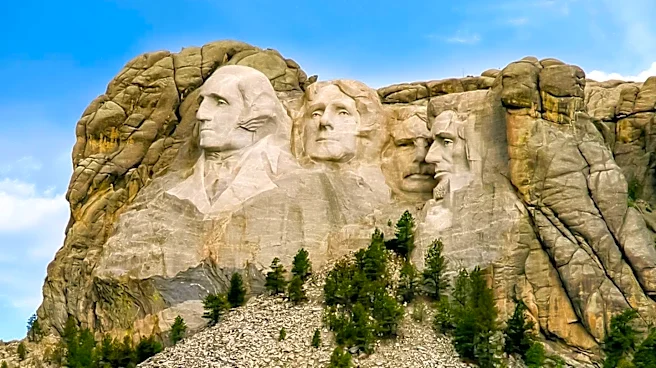







George Washington holds a unique place in American history as the first President of the United States. His presidency, from 1789 to 1797, set many precedents for the office and helped shape the new nation. Washington's leadership during this formative period was crucial in establishing the principles and practices that would guide the United States in its early years.
Washington's Election and Inauguration
George Washington was unanimously elected as the first President of the United States,
a testament to the respect and trust he commanded among the American people. His election was a pivotal moment in American history, marking the transition from a loose confederation of states to a unified nation under a central government. Washington's inauguration took place on April 30, 1789, in New York City, which was then the nation's capital. His inaugural address emphasized the importance of the Constitution and the need for unity among the states.
Washington's presidency was characterized by his commitment to the principles of the Constitution. He believed in a strong federal government that could effectively manage the affairs of the nation while respecting the rights of individual states. His leadership style was marked by a careful balance between authority and restraint, setting a standard for future presidents.
Key Achievements and Challenges
During his presidency, Washington faced numerous challenges, including establishing a stable financial system, maintaining peace with foreign nations, and dealing with domestic unrest. One of his significant achievements was the establishment of the first national bank, which helped stabilize the American economy and provided a foundation for future growth.
Washington also played a crucial role in maintaining peace with foreign nations. He signed the Jay Treaty with Great Britain, which helped avert war and facilitated trade between the two countries. Domestically, he dealt with the Whiskey Rebellion, a tax protest that tested the new government's ability to enforce its laws. Washington's decisive response to the rebellion demonstrated the federal government's authority and its commitment to maintaining order.
Washington's Legacy
George Washington's presidency set many precedents that continue to influence the office today. He established the tradition of a two-term limit, which was later codified in the 22nd Amendment. His farewell address, in which he warned against political parties and foreign alliances, remains a significant document in American political history.
Washington's leadership during the early years of the United States helped lay the foundation for a stable and prosperous nation. His commitment to the principles of the Constitution and his ability to navigate the challenges of his time have made him an enduring symbol of American leadership. As the first President, Washington's legacy continues to shape the presidency and the nation he helped to build.