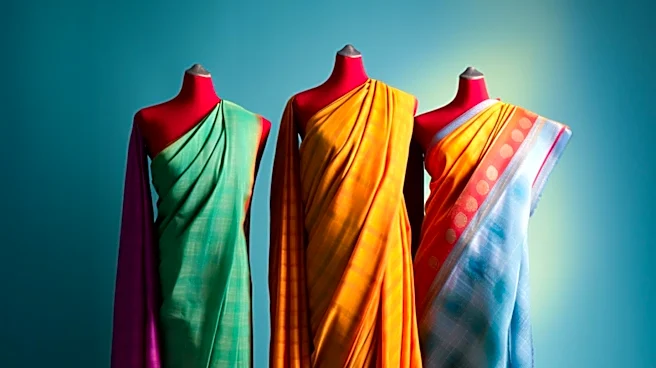

Draped garments have been a staple in fashion for centuries, offering a unique blend of elegance and comfort. Unlike tailored clothing, draped garments are crafted from a single piece of fabric, allowing
for a natural flow and fit. This article explores the enduring appeal of draped garments and their evolution through history.
Ancient Origins
The history of draped garments dates back to ancient times, where they were among the most common forms of clothing. In many cultures, including Roman and Indian societies, draped garments were prevalent, as evidenced by sculptures, paintings, and carvings. These garments were typically made from a single piece of cloth, wrapped and secured around the body using knots, pins, or simply by the fabric's own weight.
In ancient India, garments like the Uttariya and Antariya were popular, showcasing the versatility of draped clothing. Similarly, the Buddhist Kasaya, a rectangular piece of cloth, exemplifies the simplicity and functionality of draped garments. These early examples highlight the practicality and aesthetic appeal of draped clothing, which allowed for ease of movement and adaptability to different body shapes.
The Evolution of Draped Fashion
As fashion evolved, so did the styles and techniques of draping. The sari, a traditional Indian garment, is a prime example of how draping has been adapted and refined over time. This iconic piece of clothing, made from a single length of fabric, is draped in various styles to suit different occasions and personal preferences.
In Western fashion, draped garments have also made their mark. The toga, worn by ancient Romans, is a classic example of draped clothing that symbolized status and citizenship. Over the centuries, draped garments have continued to influence fashion designers, who often incorporate draping techniques into their collections to create flowing, elegant silhouettes.
Modern Interpretations
Today, draped garments remain a popular choice for designers and fashion enthusiasts alike. The fluidity and grace of draped clothing make it a favorite for evening wear and formal occasions. Designers often experiment with different fabrics and draping techniques to create innovative and eye-catching designs.
The appeal of draped garments lies in their ability to flatter a wide range of body types while offering comfort and style. Whether in the form of a classic sari or a contemporary gown, draped clothing continues to captivate the fashion world, proving that this ancient art form is as relevant today as it was centuries ago.