







George Shultz's journey from the private sector to becoming the U.S. Secretary of State is a fascinating story of leadership and adaptability. Before his appointment by President Ronald Reagan in 1982, Shultz held a prominent position in the Bechtel Group, a major engineering and services company. His transition from business to diplomacy highlights his diverse skill set and ability to navigate different arenas.
A Businessman's Approach to Diplomacy
Before entering the political sphere,
Shultz was deeply involved in the business world. As an executive vice president and later president of the Bechtel Group, he gained valuable experience in managing complex projects and negotiations. This background provided him with a unique perspective when he transitioned to the role of Secretary of State.
Shultz's business acumen was evident in his approach to diplomacy. He emphasized the importance of building strong relationships and understanding the interests of various stakeholders. This approach was particularly beneficial in his dealings with the Soviet Union, where he advocated for open communication and mutual understanding.
Overcoming Confirmation Challenges
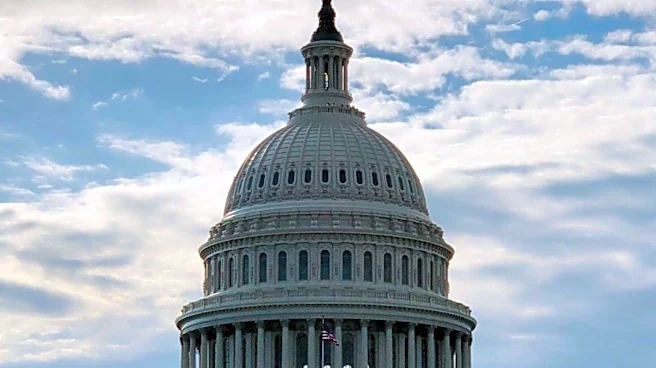
Shultz's appointment as Secretary of State was not without controversy. During his confirmation hearings, several senators raised concerns about potential conflicts of interest due to his previous role at Bechtel. These concerns centered around the possibility that his business connections could influence his decisions in office.
Despite these challenges, Shultz was unanimously confirmed by the Senate. His ability to address these concerns and demonstrate his commitment to public service was a testament to his integrity and professionalism. This confirmation marked the beginning of a significant chapter in his career, where he would play a key role in shaping U.S. foreign policy.
Legacy of Leadership
Shultz's tenure as Secretary of State was marked by significant achievements and challenges. His business background informed his diplomatic strategies, allowing him to navigate complex international issues with a pragmatic approach. He was instrumental in fostering improved relations with the Soviet Union and addressing critical global challenges.
His leadership style, characterized by a focus on professionalism and ethical standards, left a lasting impact on the State Department. Shultz's ability to transition from the private sector to a high-profile government role demonstrated his versatility and commitment to serving the nation. His legacy as a leader who bridged the gap between business and diplomacy continues to be remembered and respected.